
How Long to Hear Back After Applying in 2026

.webp)
You hit submit on that job application three days ago. Then five days ago. Maybe even two weeks ago. And since then? Nothing but silence.
Your inbox sits empty. Your phone doesn't ring. You refresh your email for the hundredth time today, wondering if you missed something or if your application vanished into a black hole.
If you're reading this, you're probably asking the same question thousands of job seekers ask every day: How long is too long to wait?
Here's the honest answer you came for: If you're going to hear back, it typically happens within 1-2 weeks. But here's what makes this complicated: about 75% of job applications never receive any response at all, according to research published in 2025.
The silence isn't always a rejection. Sometimes it's just silence.
This guide breaks down what actually happens after you apply, why hiring teams move so slowly, and exactly when you should follow up (or move on). More importantly, you'll learn how to shorten these agonizing wait times for your next applications.
How Long Does It Take to Hear Back from a Job Application?
When you ask "how long to hear back after applying," you're really asking two different questions:
How long until I get some response (if any)?
How long does the entire hiring process take?
These are different timelines, and mixing them up creates false expectations.
The Initial Response Window
According to survey data from late 2025:
44% of candidates heard back within two weeks of applying
37% heard back within one week
Only 4% got a response within one day
So if you applied on Monday and it's now Wednesday, silence is completely normal. If it's been 10 business days, you're approaching the edge of the typical window.
The Full Hiring Timeline
Even when companies do respond quickly, the complete hiring process takes much longer. SmartRecruiters' 2025 Recruitment Benchmarks analyzed hiring data globally and found:
| Metric | Global Median |
|---|---|
| Time to review candidates | 6 days |
| Time to first interview | 14 days |
| Total time to hire | 38 days |
Notice the gap? You might hear back in two weeks about an interview, but the actual job offer could be more than a month away from when you first applied.
Critical distinction: "Time to hire" measures from job posting to accepted offer. "Time to hear back" is just that first touchpoint. Different companies measure these metrics differently, which is why benchmark numbers vary so widely.
The Reality Check Nobody Wants to Hear
Most applications result in zero communication. Not a rejection email. Not a "thanks but no thanks." Just ghosting.
Analysis from 2025 found that you're three times less likely to receive any response compared to just a few years earlier. Why? The flood of applications has overwhelmed hiring teams to the point where silence has become their default communication strategy.
This isn't about you. It's about volume.
Why Do Job Applications Take So Long to Hear Back?
When you click "Apply," you're not just sending your resume to a person. You're entering a complex system with multiple bottlenecks, each adding days or weeks to the process.
It's All About Queue Management
Think of hiring like this: when you submit your application, you join a queue. Your resume sits in that queue until someone processes it. But hiring teams aren't sitting around waiting for applications. They're managing dozens of competing priorities.
Here's what actually happens:
Volume
Popular job postings receive hundreds of applications. Some corporate roles get around 250 applicants, and every single one needs screening.
Triage
Recruiters sort applications into "obvious yes," "maybe," and "no" piles. This takes time, especially when 52% of organizations report increases in unsuitable applicants rather than qualified ones.
Coordination
Interviews require blocking time on calendars of busy people who already have full-time jobs. Getting three managers to agree on a time slot can take a week by itself.
Approvals
Budget sign-offs, salary band confirmations, headcount approvals, internal transfer considerations, and sometimes legal reviews all add delays.
Batching
Many companies review applications in batches (every few days or weekly) rather than continuously. If you applied right after they completed a review cycle, you might wait a full week before anyone even looks at your resume.
The "Time to Hire" Measurement Problem
Here's something most job seekers don't realize: even the metrics companies use to track hiring speed vary wildly.
Some companies start their stopwatch when the job requisition is created internally. Others start when the posting goes live. Some measure to the date a candidate accepts an offer, while others measure to when someone actually starts work.
These different measurement approaches mean "38 days average time to hire" might mean completely different things at different companies.
For you as an applicant, this means: the timeline you experience depends on where in their process you entered, how they batch candidates, and whether urgency exists (or whether the role is quietly on hold).
The Hidden Factors
A few things slow down hiring that you'll never see:
Internal candidates get priority. About 15% of hires come from internal referrals, and those candidates often get reviewed first.
Budget freezes happen mid-recruitment. The job stays posted but nobody's actually moving forward.
Hiring managers go on vacation. Everything pauses until they return.
The "perfect candidate" syndrome. Sometimes teams keep the search open longer than necessary, hoping for someone even better.
How Long Should You Wait to Hear Back After Applying?
Instead of obsessing over a single number, think in phases. Each phase has different expectations and action items for you.
Phase 0: Days 0-2 (The Void)
What you might receive: An automated confirmation email from the company's applicant tracking system (ATS).
What this means: Almost nothing. It's just a receipt proving your application didn't bounce.
What you should do:
① Save the complete job description (it might get edited or removed later)
② Log the application with date, role, company, and version of resume you used
③ Don't expect human contact this early unless it's an extremely urgent role
Phase 1: Days 3-7 (Screening Begins)
What's happening behind the scenes: Recruiters are starting to triage applications. The global median time to review is about 6 days.
What you should do:
• If you can identify the recruiter or hiring manager (LinkedIn, company website), a brief, professional connection request is acceptable
• Continue applying to other roles with AIApply's Auto Apply to maintain pipeline momentum
• Resist the urge to follow up this early (you'll look impatient)
Phase 2: Days 8-14 (The Most Common Response Window)
This is when you'll most likely hear something if they're interested.
SmartRecruiters data shows the global median time to interview is 14 days. Survey data confirms that 44% of people who hear back get contacted within two weeks.
What you should do:
• Send your first follow-up email near the end of this window (day 10-14) if you haven't heard anything
• Keep applying elsewhere (don't put all your hopes on one application)
• Prepare for potential interviews with AIApply's Mock Interview Simulator (research the company, practice answers)
Phase 3: Weeks 3-6 (Interview and Decision Territory)
By now, if you haven't heard anything, you're either:
• Still in consideration but the company moves slowly
• Not selected, but they haven't sent rejections yet
• In a paused/frozen requisition they haven't announced
The global median time to hire is 38 days, so this phase is where final interviews and offers typically happen for candidates who make it through.
What you should do:
• Emotionally, treat this application as "pending indefinitely" and focus energy elsewhere
• If you sent a follow-up and got a response saying they're still reviewing, be patient
• Don't send multiple follow-ups (one is professional, three is annoying)
Phase 4: Week 6+ (Ghost Territory)
After six weeks with zero communication, the chances of hearing back drop significantly. Not impossible, but unlikely.
Some candidates report being contacted months later when the first hire didn't work out, but this is the exception, not the rule.
What you should do:
• Send one final "closing the loop" email (template below) if you're still interested
• Move on emotionally without guilt
• Keep this company on your radar for future openings
How Long to Hear Back After Applying by Industry
Not all jobs move at the same speed. Here's what influences your wait time:
Industry Differences
SmartRecruiters' 2025 benchmarks break down hiring speed by sector:
| Industry | Days to Review | Days to Interview | Total Days to Hire |
|---|---|---|---|
| Retail | 4 | 11 | 25 |
| Hospitality | 6 | 13 | 39 |
| Healthcare | 6 | 16 | 41 |
| Technology | 7 | 13 | 48 |
| Manufacturing | 8 | 22 | 55 |
Retail and hospitality hire fast because they need bodies in roles quickly. Tech and manufacturing take longer because they're optimizing for specific skill matches.
Country Variations
Where you're applying matters too. Same SmartRecruiters data shows:
United States: 6 days to review, 14 days to interview, 35 days total
United Kingdom: 7 days to review, 15 days to interview, 40 days total
Adzuna's UK-specific report from December 2025 found the average time to fill a UK role was 35.9 days, with significant category variations:
• Admin roles: 31.4 days
• Legal: 31.8 days
• IT: 39.5 days
• Healthcare: 38.3 days
• Retail: 40.2 days (longest in UK)
Role Seniority Makes a Huge Difference
Entry-level roles typically move faster. Companies know what they want, and the candidate pool is large. You might hear back within 1-2 weeks for these positions.
Senior and specialized roles take much longer. There are more interview rounds, more stakeholders, higher stakes. Executive and director-level searches can take 4-8 weeks just for the first contact.
Company Size and Type
Large corporations: More bureaucracy, more approvals, slower timelines. But also more structured communication (you're more likely to get a rejection email eventually).
Startups and small companies: Can move lightning-fast with decisions (hired within days) or glacially slow (if the founder is overwhelmed). Less predictable.
Government and public sector: Structured timelines, often stated in the job posting. But expect weeks to months due to regulations and background checks.
Timing and Urgency Signals
If the posting says "immediate start" or "urgent fill," expect faster movement. If it lists a closing date three weeks out, they're likely waiting until that deadline to start reviewing anyone.
Also watch for seasonal patterns. Hiring slows during major holidays and year-end budget periods. A December application might not get reviewed until January.
What Does It Mean When You Don't Hear Back After Applying?
Silence from an employer feels personal. Your brain fills the void with negative interpretations. But most of the time, no response has nothing to do with you.
Six Reasons for Silence (None Are Personal)
1. They haven't reviewed your application yet
Batching is real. Your resume might be sitting in a digital pile waiting for next Monday's review session.
2. They're waiting for internal approvals or decisions
Budget might be pending. A reorg might be in progress. They might be waiting to see if an internal candidate wants the role first.
3. They're prioritizing referrals and internal candidates
About 15% of hires come from internal referrals. If someone was referred by an employee, that application gets reviewed before yours.
4. The role is paused or frozen
Budgets shift. Priorities change. Roughly 20% of job postings are "ghost jobs" that never actually get filled. The posting stays up, but nobody's actively hiring.
5. They made a decision but didn't notify everyone
Ghosting has become standard practice. Many companies only contact candidates they want to interview and ghost the rest. It's rude, but it's common.
6. Volume overwhelmed them
When corporate jobs receive 250+ applications, sending rejection emails to everyone becomes logistically difficult. Silence becomes the default.
What Silence Does NOT Mean
It doesn't mean they rejected you in 24 hours. Your application probably hasn't been reviewed yet.
It doesn't mean you did something wrong. The hiring process is messy and slow.
It doesn't mean you should stop applying elsewhere. Treat every application as "pending" until you have a signed offer letter.
The Pipeline Mindset vs. the Romance Mindset
Stop thinking of each application like a potential relationship where you're waiting to see if they like you back. That's the "romance mindset," and it creates anxiety.
Instead, adopt the "pipeline mindset." Each application is a data point. You're running experiments. Some work, most don't, and you need volume to find the ones that convert.
The goal isn't emotional certainty about each application. The goal is offers.
When to Follow Up After a Job Application
A well-timed follow-up can resurrect a forgotten application or show persistence that impresses a hiring manager. But the wrong follow-up at the wrong time can hurt your chances.
Here's the framework that works:
The 7-10 Business Day Rule
According to research on successful applicants, the sweet spot for a first follow-up is 7-10 business days after applying. This gives hiring teams enough time to start their review process without letting your application fade from memory.
Closer to 10-14 days is even safer if you want to err on the side of patience.
Exception: If you were referred internally or already know the hiring manager, you can follow up after 5-7 days since you're not a cold applicant.
When NOT to Follow Up
If the job posting explicitly says "no phone calls or emails" or "we will contact qualified candidates only," respect that boundary. Following up despite clear instructions signals you can't follow directions.
Template 1: First Follow-Up (Days 7-14)
Subject: Following up on [Job Title] application
Hi [Hiring Manager or Recruiter Name],
I applied for the [Job Title] position on [Date] and wanted to confirm my application made it through successfully.
I'm particularly excited about this role because [one specific reason related to your skills or their mission]. I believe my experience with [specific relevant skill or achievement] would be valuable to your team.
Is there a timeline for next steps, or any additional information I can provide?
Thanks for your time,
[Your Name]
[LinkedIn Profile URL]
Why this works: It's brief, professional, and gives them a reason to reply beyond "any update?"
Template 2: Value-Add Follow-Up (5-7 Days After First)
Subject: Additional context for [Job Title] application
Hi [Name],
Following up on my [Job Title] application from [Date]. I wanted to share [one relevant work sample, portfolio piece, or specific example] in case it's helpful for your review.
[Link or 2-3 bullet points showing relevant work]
Still very interested and happy to discuss how my experience aligns with what you're building.
Thanks,
[Your Name]
This is your last follow-up. After two attempts, go silent. More than that becomes spam.
Template 3: Closing the Loop (Week 4-6)
Subject: Closing the loop on [Job Title]
Hi [Name],
I know hiring timelines can shift. I'm following up one last time on my application for [Job Title].
If the role is still open and you'd like to continue the conversation, I'm absolutely interested. If it's been filled or put on hold, a quick note either way would help me plan accordingly.
Either way, thanks for considering my application.
Best,
[Your Name]
This preserves your dignity and makes it easy for them to reply with a simple yes or no.
Follow-Up After Interviews
The timeline is different post-interview:
After a first-round interview: Follow up after 5-7 business days if you haven't heard about next steps.
After final interviews: Give them 1-2 weeks before checking in, since offer approvals can take time.
Always respect stated timelines. If they said "we'll get back to you in two weeks," don't pester them before then.
How to Hear Back from Job Applications Faster
You can't control a company's hiring speed. But you can control three levers that significantly impact whether (and how fast) you hear back:
Lever 1: Relevance (Make the Match Obvious in 10 Seconds)
Recruiters spend roughly 6-10 seconds on initial resume screening. That's all the time you have to make them think "this person might work."
With unsuitable applicants rising faster than qualified ones, recruiters are drowning in poor matches. Your job is to reduce their cognitive load:
Mirror the job requirements in your bullet points. If they want "5+ years managing cross-functional teams," your resume should have a bullet like "Led cross-functional product team of 12 across engineering, design, and marketing for 6 years."
Quantify outcomes. "Increased sales" is vague. "Increased Q4 sales by 34% through strategic outreach campaign" is specific and memorable.
Put the most relevant proof at the top. Don't bury your best qualification in bullet point #7.
This is where AIApply's Resume Scanner becomes valuable. It analyzes your resume against the job description, identifies keyword gaps, and suggests improvements to pass ATS filters and human reviewers.
Lever 2: Timing (Apply Early in the Posting Cycle)
When jobs get hundreds of applicants, recruiters often start with early submissions. Applying within the first few days can increase visibility, especially in competitive markets.
This doesn't mean apply to everything immediately. It means: when you find a truly good fit, don't wait.
Lever 3: Trust (Add a Referral or Warm Introduction)
Even a weak connection matters. "Random applicant #247" gets less attention than "person recommended by Sarah in engineering."
Internal referrals account for about 15% of hires, and they get priority review.
If you know anyone at the company (or know someone who knows someone), use that connection. A LinkedIn message like "I'm applying for [role] and would love to mention you referred me" can move your application up the pile.
What to Do While Waiting to Hear Back from a Job
The worst thing you can do after applying is sit and obsess. Here's how to use the waiting period productively:
Keep Your Pipeline Full
Don't wait for one company to respond before applying elsewhere. The average job search takes 3-5 months. You need multiple irons in the fire.
Think about it like this: if you apply to one job per week, you might get one or two interviews over three months. If you apply to 10+ jobs per week, your odds multiply.
AIApply's Auto Apply feature can help here. It scans job boards, matches opportunities to your profile, and submits customized applications automatically while maintaining tracking so you know where everything stands.
The key is volume without sacrificing quality. More applications with good matches beats fewer applications with perfect-but-slow customization.
Improve Your Materials for the Next Application
Each application is a learning opportunity. After you apply, ask:
• Did I mirror enough of the job description keywords?
• Is my resume ATS-friendly (simple formatting, no graphics)?
• Did I include a cover letter where it mattered?
An estimated 50% of applicants get filtered out by ATS before a human ever sees their resume. Make sure you're not in that half.
Tools like AIApply's Resume Builder use AI to generate job-specific resumes that pass ATS scans, and the Cover Letter Generator creates role-specific letters quickly so you're not skipping this step when it could make the difference.
Network Strategically
While waiting, grow your connections. Reach out to people in your target companies or industry. Join relevant professional groups. Sometimes opportunities come from conversations, not applications.
LinkedIn is your friend here. Connect with recruiters, hiring managers, and employees at companies you're interested in. Not to pester them about your application, but to build genuine relationships.
Prepare for Interviews (While You Have Time)
Waiting to hear back is the perfect time to prepare for success. Research the company deeply. Practice common interview questions. Prepare stories that demonstrate your skills.
AIApply's Mock Interview Simulator lets you practice with AI-generated questions based on the job description. And when you do get that interview call, Interview Buddy provides real-time coaching during live interviews.
Being prepared reduces anxiety and increases confidence when opportunities arrive.
Track Everything
When you're applying to multiple jobs, it's easy to lose track. Create a simple system:
| Company | Role | Date Applied | Status | Follow-Up Date |
|---|---|---|---|---|
| Acme Corp | Product Manager | Jan 5 | Waiting | Jan 19 |
| Tech Co | Senior Analyst | Jan 7 | Interview scheduled | N/A |
| Startup Inc | Marketing Lead | Jan 10 | Waiting | Jan 24 |
AIApply provides application tracking as part of its platform, automatically logging where you've applied and when it's time to follow up.
Staying organized keeps you in control and ensures nothing falls through the cracks.
When to Stop Waiting and Move On
At some point, you need to emotionally close the book on an application that isn't yielding results. Here's when:
For Entry-Level and Mid-Level Roles
3-4 weeks with no response (and you've sent a follow-up) is a reasonable cutoff. By this point, most active hiring processes have started contacting candidates.
It's possible you'll hear back later (if their first choice falls through), but don't hold your breath.
For Senior and Specialized Roles
5-8 weeks is more realistic for director-level and above. These searches involve more stakeholders and longer deliberation.
But if two months pass with zero communication, it's time to shift focus elsewhere.
After Interviews
The calculus changes post-interview. If you've been through one or more rounds:
2+ weeks after your last interview with no response (and you've followed up once) usually means they went with someone else.
Many companies will send a rejection email eventually, but over 60% of candidates report being ghosted after interviews. Don't wait indefinitely.
If you've sent two follow-ups after a final interview with no reply, assume they moved forward with another candidate.
Red Flags That Scream "Move On"
• The job posting disappears or gets marked "filled"
• The posting gets reposted with new wording (they weren't satisfied with the initial pool)
• The company announces a hiring freeze or layoffs
• You get a formal rejection email (accept it gracefully and focus elsewhere)
Never Stop Until You Have a Signed Offer
This is critical: don't pause your job search because you think an offer is coming.
Verbal assurances aren't binding. Things fall through. Keep applying, keep interviewing, until you've actually signed an offer letter and set a start date.
I've seen candidates told "the offer is coming next week" only to have that week turn into three weeks, then "actually we're pausing this role."
Protect yourself by maintaining momentum until it's official.
How AIApply Helps You Beat the Waiting Game
The waiting period is brutal because it's mostly uncertainty. You don't know if your application was even seen, let alone considered.
We built AIApply to reduce that uncertainty in two ways:
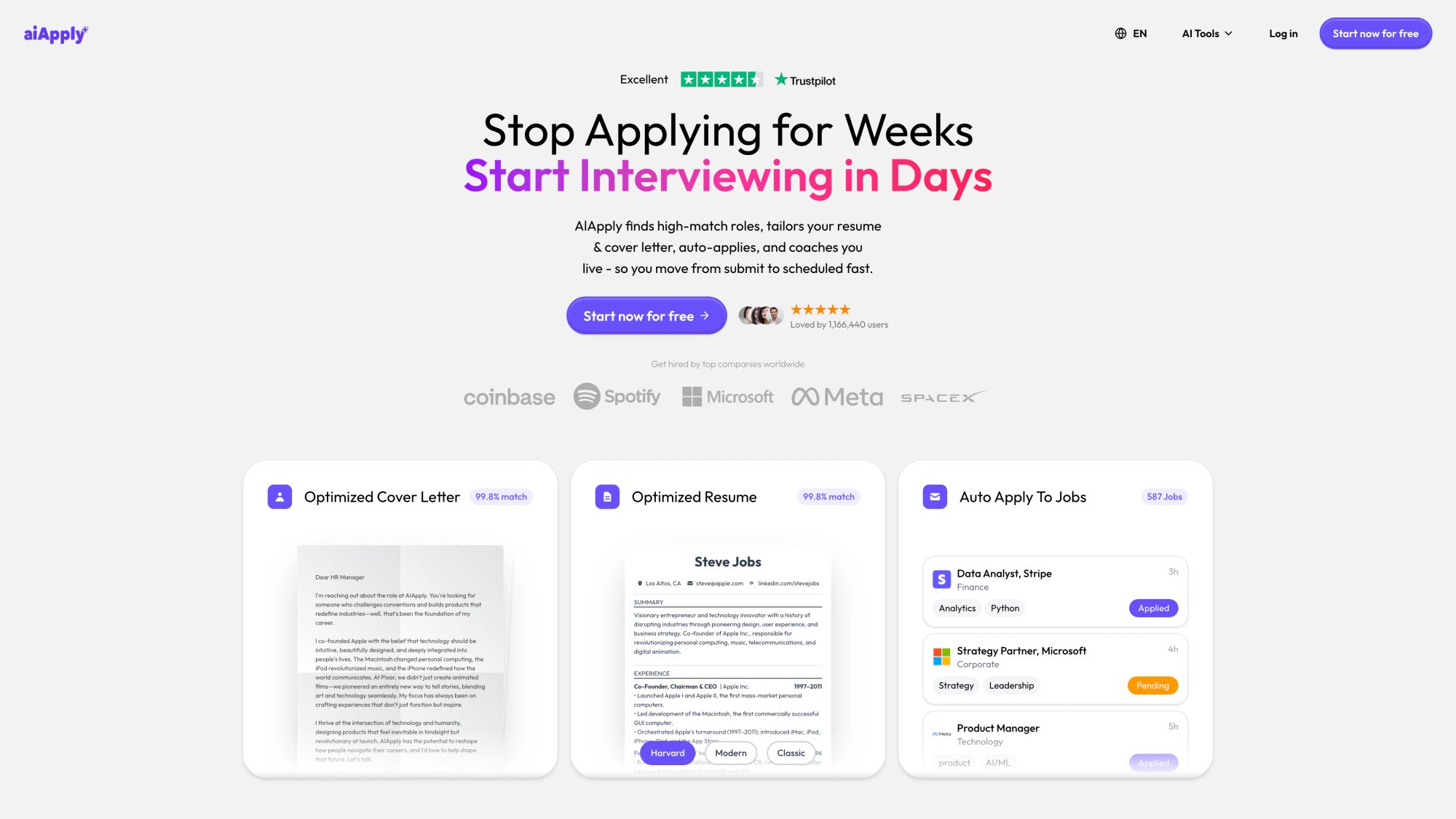
The platform brings together every tool you need in one place. From creating ATS-optimized resumes to auto-applying to hundreds of roles, AIApply turns the chaotic job search process into a manageable system.
1. Increase Your Response Rate
Better applications get more responses. Seems obvious, but most people don't know why their applications fail.
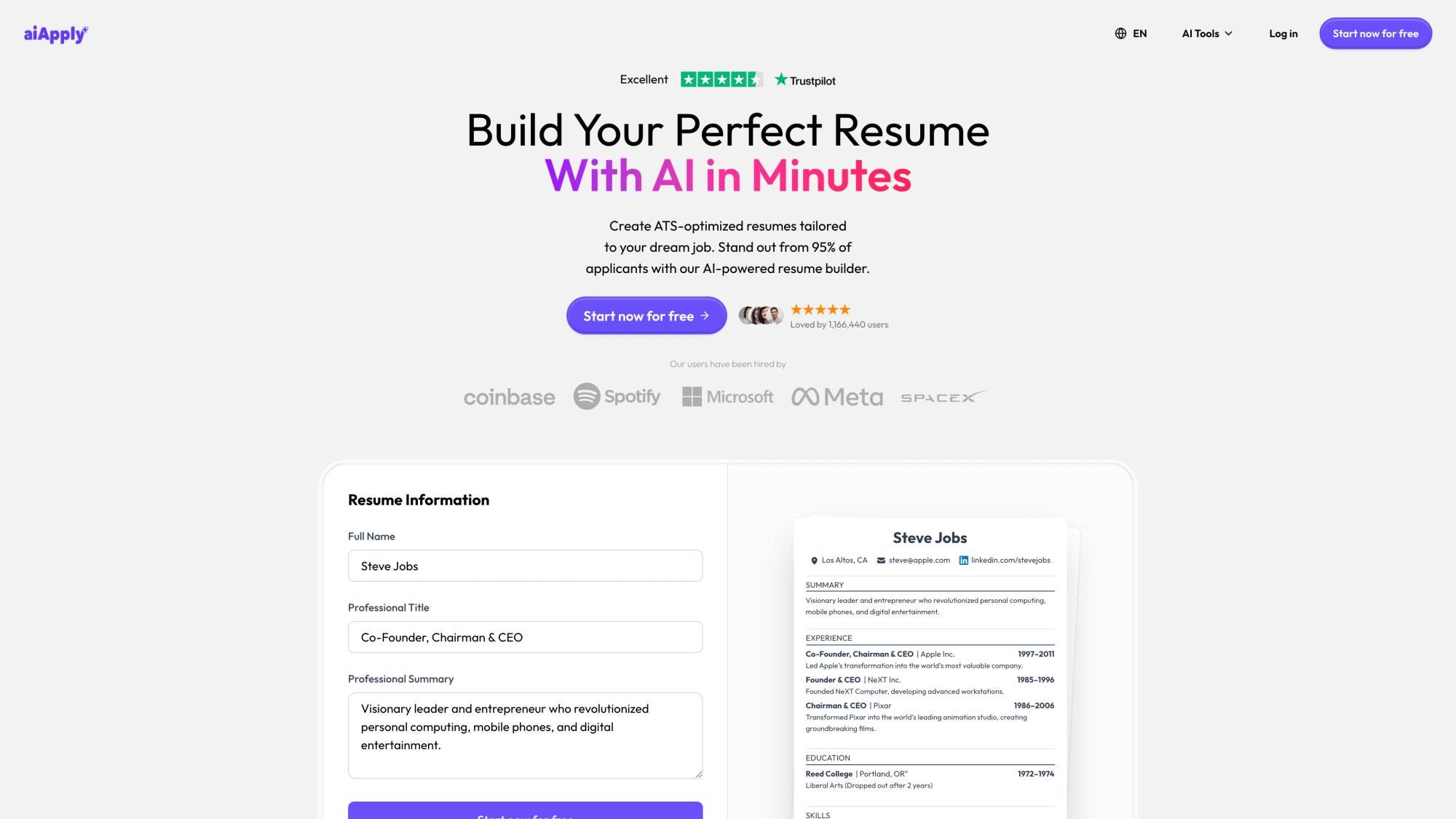
AIApply's Resume Builder uses GPT-4 to generate ATS-ready, job-specific resumes that mirror the exact requirements in the posting:
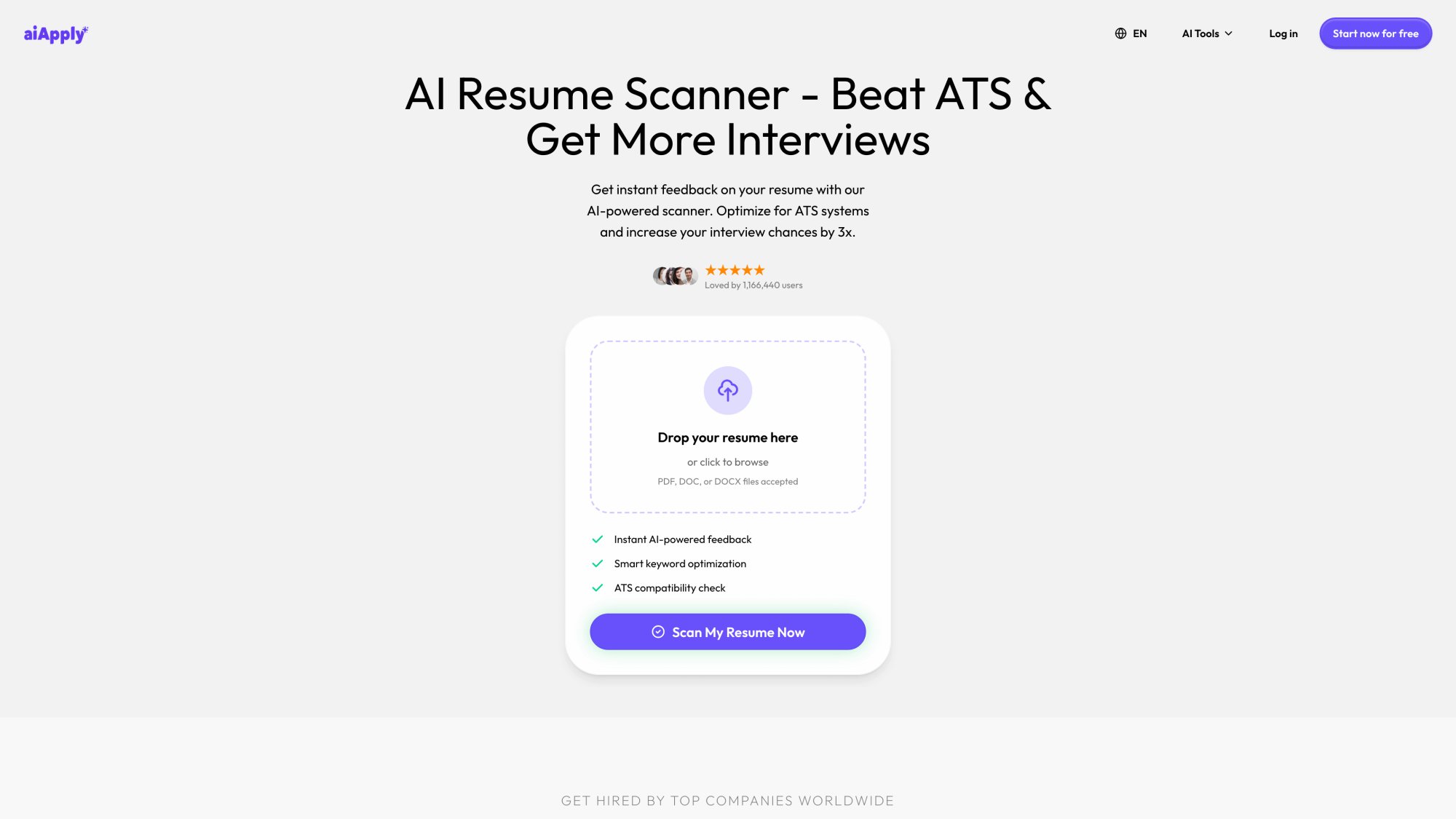
The Resume Scanner catches keyword gaps and formatting issues before you submit, so you're not losing opportunities to fixable problems:
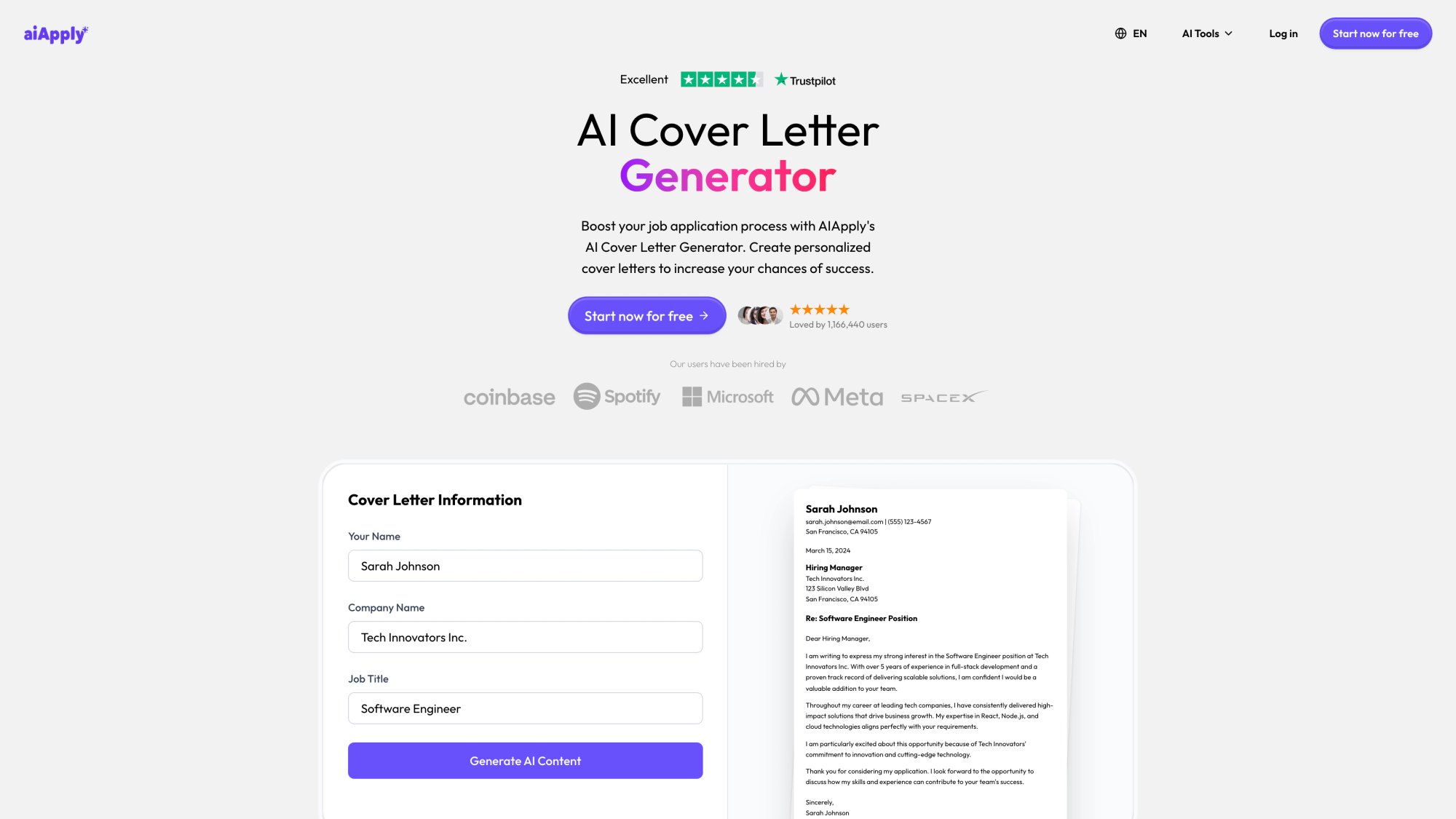
The Cover Letter Generator creates personalized letters quickly so you're not skipping this step when it matters:
When your applications are better targeted, you hear back more often. It's that simple.
2. Increase Your Volume Without Losing Track
More high-quality applications = more callbacks.
AIApply's Auto Apply scans over a million job postings, matches them to your profile, and submits customized applications automatically. You can apply to 50+ relevant roles in the time it would take to manually apply to five:
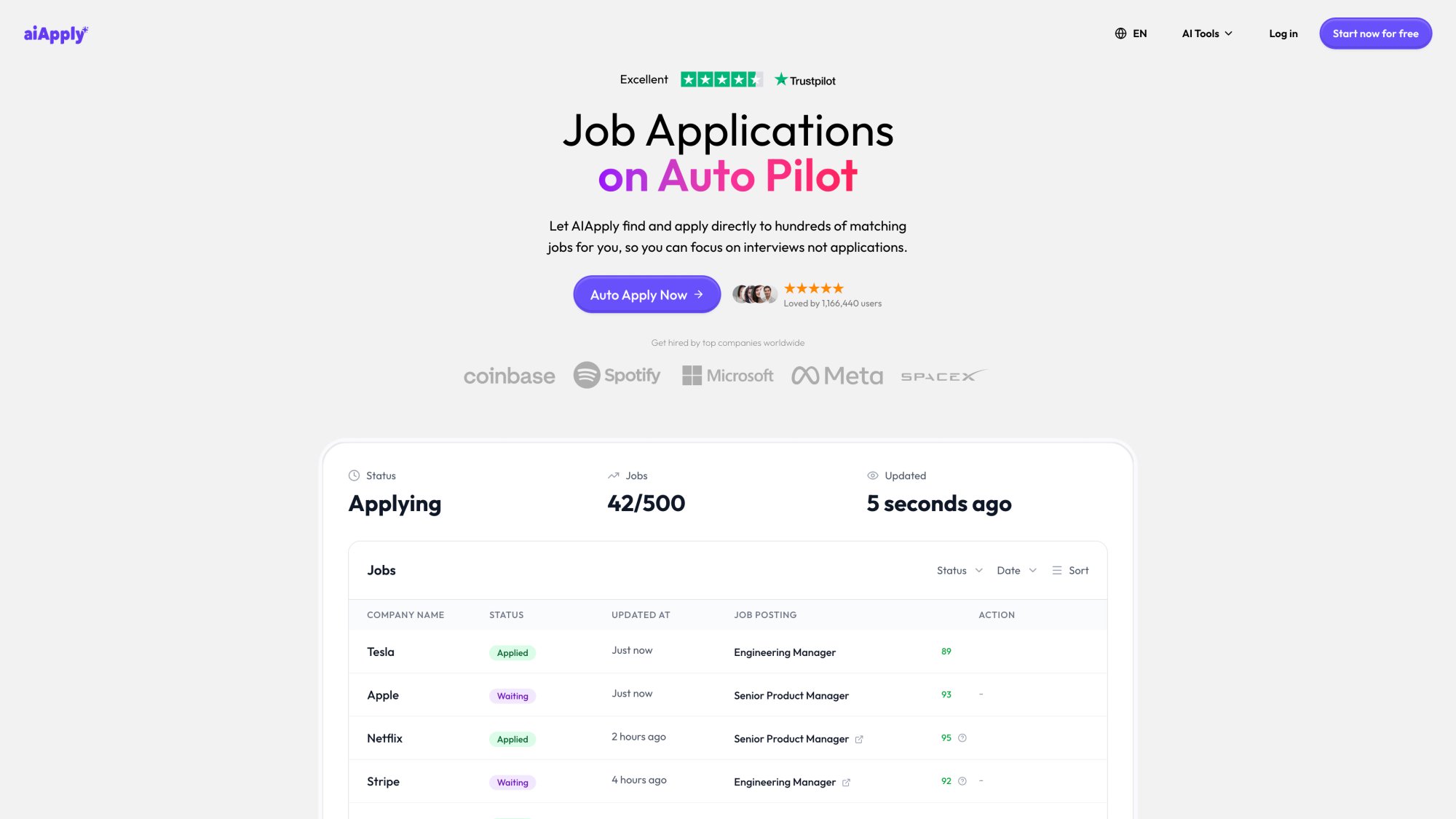
And critically, it tracks everything. You always know where you've applied, when you applied, and when it's time to follow up.
When interviews do arrive, Interview Buddy provides real-time coaching so you're prepared when it matters most:
The Core Principle
Speed and match beat perfection.
A "pretty good" tailored application submitted today often beats a "perfect" generic application sent next week.
Our users report being 80% more likely to get hired compared to traditional job searching, primarily because they're applying to more relevant roles with better-optimized materials.
FAQ: Your Most Common Questions Answered
Is it normal to hear nothing after 2 weeks?
Yes. Most people who hear back get contacted within 1-2 weeks, but silence at this point doesn't mean rejection. Many companies take 3-4 weeks to start contacting candidates.
Send a polite follow-up around day 10-14, then continue applying elsewhere.
How long does the whole hiring process typically take?
From application to offer, the global median is about 38 days. In the UK specifically, Adzuna's data shows around 36 days.
But this varies significantly by industry (retail faster, tech slower) and role level (entry-level faster, executive slower).
Why do some roles take 2+ months to hear back?
Multiple interview rounds, more stakeholders involved, slower decision-making calendars, and sometimes uncertainty about headcount or budget.
Tech and manufacturing roles often take 48-55 days end-to-end according to benchmark data.
If a job gets reposted, should I apply again?
Usually only if you can materially improve your application (stronger resume, new skills, internal referral).
Submitting the exact same application twice rarely helps and might look desperate. If your first application was strong, they already have it.
How many follow-ups are okay?
Two maximum:
① First follow-up at 7-14 days after applying
② Final follow-up 5-7 days after that if no response
More than two follow-ups becomes pestering. One well-written follow-up is usually enough.
Should I keep applying elsewhere while waiting?
Absolutely yes. Never pause your search while waiting on one company.
The average job hunt takes 3-5 months. You need multiple opportunities in progress simultaneously.
Treat every application as "pending" until you have a signed offer letter.
What if I already did an interview and haven't heard back?
Follow up 5-7 days after a first-round interview. For final rounds, give them 1-2 weeks before checking in.
If you've followed up twice post-interview with no response, they likely went with someone else (even if they ghost you instead of sending a rejection).
Does applying early in the day or week matter?
There's some evidence that applying early in the posting cycle increases visibility, especially for high-volume roles.
Timing within a specific day probably matters less than being in the first wave of applicants overall.
Final Thoughts: Managing the Waiting Game
The period after hitting "submit" feels powerless. But you have more control than you think.
You can't control how fast companies move, whether they respond, or if your application gets lost in a pile of 250 others.
You can control the quality of your applications, how many you send, when you follow up, and how you use the waiting time.
The data tells us:
• Most responses come within 1-2 weeks if they're coming at all
• About 75% of applications result in silence (not a reflection of your worth)
• The full hiring process typically takes 5-6 weeks globally
• Different industries and roles have wildly different timelines
The action steps are clear:
• Apply to multiple roles simultaneously (don't wait on one)
• Tailor your resume and cover letter to each job
• Follow up once at 7-14 days, maybe a second time a week later
• Move on emotionally after 3-4 weeks of silence
• Keep preparing, keep networking, keep applying
Most importantly: every application is progress, even the ones that result in silence. You're running experiments. Some convert, most don't. The goal is to keep enough experiments running that something hits.
And when you want to shorten the odds, we built AIApply to help you apply to more relevant roles with better-optimized materials while actually tracking where everything stands.
The waiting game is tough. But now you know what's happening behind the scenes, when to expect responses, and exactly when to take action.
Keep going. Your next application could be the one.
You hit submit on that job application three days ago. Then five days ago. Maybe even two weeks ago. And since then? Nothing but silence.
Your inbox sits empty. Your phone doesn't ring. You refresh your email for the hundredth time today, wondering if you missed something or if your application vanished into a black hole.
If you're reading this, you're probably asking the same question thousands of job seekers ask every day: How long is too long to wait?
Here's the honest answer you came for: If you're going to hear back, it typically happens within 1-2 weeks. But here's what makes this complicated: about 75% of job applications never receive any response at all, according to research published in 2025.
The silence isn't always a rejection. Sometimes it's just silence.
This guide breaks down what actually happens after you apply, why hiring teams move so slowly, and exactly when you should follow up (or move on). More importantly, you'll learn how to shorten these agonizing wait times for your next applications.
How Long Does It Take to Hear Back from a Job Application?
When you ask "how long to hear back after applying," you're really asking two different questions:
How long until I get some response (if any)?
How long does the entire hiring process take?
These are different timelines, and mixing them up creates false expectations.
The Initial Response Window
According to survey data from late 2025:
44% of candidates heard back within two weeks of applying
37% heard back within one week
Only 4% got a response within one day
So if you applied on Monday and it's now Wednesday, silence is completely normal. If it's been 10 business days, you're approaching the edge of the typical window.
The Full Hiring Timeline
Even when companies do respond quickly, the complete hiring process takes much longer. SmartRecruiters' 2025 Recruitment Benchmarks analyzed hiring data globally and found:
| Metric | Global Median |
|---|---|
| Time to review candidates | 6 days |
| Time to first interview | 14 days |
| Total time to hire | 38 days |
Notice the gap? You might hear back in two weeks about an interview, but the actual job offer could be more than a month away from when you first applied.
Critical distinction: "Time to hire" measures from job posting to accepted offer. "Time to hear back" is just that first touchpoint. Different companies measure these metrics differently, which is why benchmark numbers vary so widely.
The Reality Check Nobody Wants to Hear
Most applications result in zero communication. Not a rejection email. Not a "thanks but no thanks." Just ghosting.
Analysis from 2025 found that you're three times less likely to receive any response compared to just a few years earlier. Why? The flood of applications has overwhelmed hiring teams to the point where silence has become their default communication strategy.
This isn't about you. It's about volume.
Why Do Job Applications Take So Long to Hear Back?
When you click "Apply," you're not just sending your resume to a person. You're entering a complex system with multiple bottlenecks, each adding days or weeks to the process.
It's All About Queue Management
Think of hiring like this: when you submit your application, you join a queue. Your resume sits in that queue until someone processes it. But hiring teams aren't sitting around waiting for applications. They're managing dozens of competing priorities.
Here's what actually happens:
Volume
Popular job postings receive hundreds of applications. Some corporate roles get around 250 applicants, and every single one needs screening.
Triage
Recruiters sort applications into "obvious yes," "maybe," and "no" piles. This takes time, especially when 52% of organizations report increases in unsuitable applicants rather than qualified ones.
Coordination
Interviews require blocking time on calendars of busy people who already have full-time jobs. Getting three managers to agree on a time slot can take a week by itself.
Approvals
Budget sign-offs, salary band confirmations, headcount approvals, internal transfer considerations, and sometimes legal reviews all add delays.
Batching
Many companies review applications in batches (every few days or weekly) rather than continuously. If you applied right after they completed a review cycle, you might wait a full week before anyone even looks at your resume.
The "Time to Hire" Measurement Problem
Here's something most job seekers don't realize: even the metrics companies use to track hiring speed vary wildly.
Some companies start their stopwatch when the job requisition is created internally. Others start when the posting goes live. Some measure to the date a candidate accepts an offer, while others measure to when someone actually starts work.
These different measurement approaches mean "38 days average time to hire" might mean completely different things at different companies.
For you as an applicant, this means: the timeline you experience depends on where in their process you entered, how they batch candidates, and whether urgency exists (or whether the role is quietly on hold).
The Hidden Factors
A few things slow down hiring that you'll never see:
Internal candidates get priority. About 15% of hires come from internal referrals, and those candidates often get reviewed first.
Budget freezes happen mid-recruitment. The job stays posted but nobody's actually moving forward.
Hiring managers go on vacation. Everything pauses until they return.
The "perfect candidate" syndrome. Sometimes teams keep the search open longer than necessary, hoping for someone even better.
How Long Should You Wait to Hear Back After Applying?
Instead of obsessing over a single number, think in phases. Each phase has different expectations and action items for you.
Phase 0: Days 0-2 (The Void)
What you might receive: An automated confirmation email from the company's applicant tracking system (ATS).
What this means: Almost nothing. It's just a receipt proving your application didn't bounce.
What you should do:
① Save the complete job description (it might get edited or removed later)
② Log the application with date, role, company, and version of resume you used
③ Don't expect human contact this early unless it's an extremely urgent role
Phase 1: Days 3-7 (Screening Begins)
What's happening behind the scenes: Recruiters are starting to triage applications. The global median time to review is about 6 days.
What you should do:
• If you can identify the recruiter or hiring manager (LinkedIn, company website), a brief, professional connection request is acceptable
• Continue applying to other roles with AIApply's Auto Apply to maintain pipeline momentum
• Resist the urge to follow up this early (you'll look impatient)
Phase 2: Days 8-14 (The Most Common Response Window)
This is when you'll most likely hear something if they're interested.
SmartRecruiters data shows the global median time to interview is 14 days. Survey data confirms that 44% of people who hear back get contacted within two weeks.
What you should do:
• Send your first follow-up email near the end of this window (day 10-14) if you haven't heard anything
• Keep applying elsewhere (don't put all your hopes on one application)
• Prepare for potential interviews with AIApply's Mock Interview Simulator (research the company, practice answers)
Phase 3: Weeks 3-6 (Interview and Decision Territory)
By now, if you haven't heard anything, you're either:
• Still in consideration but the company moves slowly
• Not selected, but they haven't sent rejections yet
• In a paused/frozen requisition they haven't announced
The global median time to hire is 38 days, so this phase is where final interviews and offers typically happen for candidates who make it through.
What you should do:
• Emotionally, treat this application as "pending indefinitely" and focus energy elsewhere
• If you sent a follow-up and got a response saying they're still reviewing, be patient
• Don't send multiple follow-ups (one is professional, three is annoying)
Phase 4: Week 6+ (Ghost Territory)
After six weeks with zero communication, the chances of hearing back drop significantly. Not impossible, but unlikely.
Some candidates report being contacted months later when the first hire didn't work out, but this is the exception, not the rule.
What you should do:
• Send one final "closing the loop" email (template below) if you're still interested
• Move on emotionally without guilt
• Keep this company on your radar for future openings
How Long to Hear Back After Applying by Industry
Not all jobs move at the same speed. Here's what influences your wait time:
Industry Differences
SmartRecruiters' 2025 benchmarks break down hiring speed by sector:
| Industry | Days to Review | Days to Interview | Total Days to Hire |
|---|---|---|---|
| Retail | 4 | 11 | 25 |
| Hospitality | 6 | 13 | 39 |
| Healthcare | 6 | 16 | 41 |
| Technology | 7 | 13 | 48 |
| Manufacturing | 8 | 22 | 55 |
Retail and hospitality hire fast because they need bodies in roles quickly. Tech and manufacturing take longer because they're optimizing for specific skill matches.
Country Variations
Where you're applying matters too. Same SmartRecruiters data shows:
United States: 6 days to review, 14 days to interview, 35 days total
United Kingdom: 7 days to review, 15 days to interview, 40 days total
Adzuna's UK-specific report from December 2025 found the average time to fill a UK role was 35.9 days, with significant category variations:
• Admin roles: 31.4 days
• Legal: 31.8 days
• IT: 39.5 days
• Healthcare: 38.3 days
• Retail: 40.2 days (longest in UK)
Role Seniority Makes a Huge Difference
Entry-level roles typically move faster. Companies know what they want, and the candidate pool is large. You might hear back within 1-2 weeks for these positions.
Senior and specialized roles take much longer. There are more interview rounds, more stakeholders, higher stakes. Executive and director-level searches can take 4-8 weeks just for the first contact.
Company Size and Type
Large corporations: More bureaucracy, more approvals, slower timelines. But also more structured communication (you're more likely to get a rejection email eventually).
Startups and small companies: Can move lightning-fast with decisions (hired within days) or glacially slow (if the founder is overwhelmed). Less predictable.
Government and public sector: Structured timelines, often stated in the job posting. But expect weeks to months due to regulations and background checks.
Timing and Urgency Signals
If the posting says "immediate start" or "urgent fill," expect faster movement. If it lists a closing date three weeks out, they're likely waiting until that deadline to start reviewing anyone.
Also watch for seasonal patterns. Hiring slows during major holidays and year-end budget periods. A December application might not get reviewed until January.
What Does It Mean When You Don't Hear Back After Applying?
Silence from an employer feels personal. Your brain fills the void with negative interpretations. But most of the time, no response has nothing to do with you.
Six Reasons for Silence (None Are Personal)
1. They haven't reviewed your application yet
Batching is real. Your resume might be sitting in a digital pile waiting for next Monday's review session.
2. They're waiting for internal approvals or decisions
Budget might be pending. A reorg might be in progress. They might be waiting to see if an internal candidate wants the role first.
3. They're prioritizing referrals and internal candidates
About 15% of hires come from internal referrals. If someone was referred by an employee, that application gets reviewed before yours.
4. The role is paused or frozen
Budgets shift. Priorities change. Roughly 20% of job postings are "ghost jobs" that never actually get filled. The posting stays up, but nobody's actively hiring.
5. They made a decision but didn't notify everyone
Ghosting has become standard practice. Many companies only contact candidates they want to interview and ghost the rest. It's rude, but it's common.
6. Volume overwhelmed them
When corporate jobs receive 250+ applications, sending rejection emails to everyone becomes logistically difficult. Silence becomes the default.
What Silence Does NOT Mean
It doesn't mean they rejected you in 24 hours. Your application probably hasn't been reviewed yet.
It doesn't mean you did something wrong. The hiring process is messy and slow.
It doesn't mean you should stop applying elsewhere. Treat every application as "pending" until you have a signed offer letter.
The Pipeline Mindset vs. the Romance Mindset
Stop thinking of each application like a potential relationship where you're waiting to see if they like you back. That's the "romance mindset," and it creates anxiety.
Instead, adopt the "pipeline mindset." Each application is a data point. You're running experiments. Some work, most don't, and you need volume to find the ones that convert.
The goal isn't emotional certainty about each application. The goal is offers.
When to Follow Up After a Job Application
A well-timed follow-up can resurrect a forgotten application or show persistence that impresses a hiring manager. But the wrong follow-up at the wrong time can hurt your chances.
Here's the framework that works:
The 7-10 Business Day Rule
According to research on successful applicants, the sweet spot for a first follow-up is 7-10 business days after applying. This gives hiring teams enough time to start their review process without letting your application fade from memory.
Closer to 10-14 days is even safer if you want to err on the side of patience.
Exception: If you were referred internally or already know the hiring manager, you can follow up after 5-7 days since you're not a cold applicant.
When NOT to Follow Up
If the job posting explicitly says "no phone calls or emails" or "we will contact qualified candidates only," respect that boundary. Following up despite clear instructions signals you can't follow directions.
Template 1: First Follow-Up (Days 7-14)
Subject: Following up on [Job Title] application
Hi [Hiring Manager or Recruiter Name],
I applied for the [Job Title] position on [Date] and wanted to confirm my application made it through successfully.
I'm particularly excited about this role because [one specific reason related to your skills or their mission]. I believe my experience with [specific relevant skill or achievement] would be valuable to your team.
Is there a timeline for next steps, or any additional information I can provide?
Thanks for your time,
[Your Name]
[LinkedIn Profile URL]
Why this works: It's brief, professional, and gives them a reason to reply beyond "any update?"
Template 2: Value-Add Follow-Up (5-7 Days After First)
Subject: Additional context for [Job Title] application
Hi [Name],
Following up on my [Job Title] application from [Date]. I wanted to share [one relevant work sample, portfolio piece, or specific example] in case it's helpful for your review.
[Link or 2-3 bullet points showing relevant work]
Still very interested and happy to discuss how my experience aligns with what you're building.
Thanks,
[Your Name]
This is your last follow-up. After two attempts, go silent. More than that becomes spam.
Template 3: Closing the Loop (Week 4-6)
Subject: Closing the loop on [Job Title]
Hi [Name],
I know hiring timelines can shift. I'm following up one last time on my application for [Job Title].
If the role is still open and you'd like to continue the conversation, I'm absolutely interested. If it's been filled or put on hold, a quick note either way would help me plan accordingly.
Either way, thanks for considering my application.
Best,
[Your Name]
This preserves your dignity and makes it easy for them to reply with a simple yes or no.
Follow-Up After Interviews
The timeline is different post-interview:
After a first-round interview: Follow up after 5-7 business days if you haven't heard about next steps.
After final interviews: Give them 1-2 weeks before checking in, since offer approvals can take time.
Always respect stated timelines. If they said "we'll get back to you in two weeks," don't pester them before then.
How to Hear Back from Job Applications Faster
You can't control a company's hiring speed. But you can control three levers that significantly impact whether (and how fast) you hear back:
Lever 1: Relevance (Make the Match Obvious in 10 Seconds)
Recruiters spend roughly 6-10 seconds on initial resume screening. That's all the time you have to make them think "this person might work."
With unsuitable applicants rising faster than qualified ones, recruiters are drowning in poor matches. Your job is to reduce their cognitive load:
Mirror the job requirements in your bullet points. If they want "5+ years managing cross-functional teams," your resume should have a bullet like "Led cross-functional product team of 12 across engineering, design, and marketing for 6 years."
Quantify outcomes. "Increased sales" is vague. "Increased Q4 sales by 34% through strategic outreach campaign" is specific and memorable.
Put the most relevant proof at the top. Don't bury your best qualification in bullet point #7.
This is where AIApply's Resume Scanner becomes valuable. It analyzes your resume against the job description, identifies keyword gaps, and suggests improvements to pass ATS filters and human reviewers.
Lever 2: Timing (Apply Early in the Posting Cycle)
When jobs get hundreds of applicants, recruiters often start with early submissions. Applying within the first few days can increase visibility, especially in competitive markets.
This doesn't mean apply to everything immediately. It means: when you find a truly good fit, don't wait.
Lever 3: Trust (Add a Referral or Warm Introduction)
Even a weak connection matters. "Random applicant #247" gets less attention than "person recommended by Sarah in engineering."
Internal referrals account for about 15% of hires, and they get priority review.
If you know anyone at the company (or know someone who knows someone), use that connection. A LinkedIn message like "I'm applying for [role] and would love to mention you referred me" can move your application up the pile.
What to Do While Waiting to Hear Back from a Job
The worst thing you can do after applying is sit and obsess. Here's how to use the waiting period productively:
Keep Your Pipeline Full
Don't wait for one company to respond before applying elsewhere. The average job search takes 3-5 months. You need multiple irons in the fire.
Think about it like this: if you apply to one job per week, you might get one or two interviews over three months. If you apply to 10+ jobs per week, your odds multiply.
AIApply's Auto Apply feature can help here. It scans job boards, matches opportunities to your profile, and submits customized applications automatically while maintaining tracking so you know where everything stands.
The key is volume without sacrificing quality. More applications with good matches beats fewer applications with perfect-but-slow customization.
Improve Your Materials for the Next Application
Each application is a learning opportunity. After you apply, ask:
• Did I mirror enough of the job description keywords?
• Is my resume ATS-friendly (simple formatting, no graphics)?
• Did I include a cover letter where it mattered?
An estimated 50% of applicants get filtered out by ATS before a human ever sees their resume. Make sure you're not in that half.
Tools like AIApply's Resume Builder use AI to generate job-specific resumes that pass ATS scans, and the Cover Letter Generator creates role-specific letters quickly so you're not skipping this step when it could make the difference.
Network Strategically
While waiting, grow your connections. Reach out to people in your target companies or industry. Join relevant professional groups. Sometimes opportunities come from conversations, not applications.
LinkedIn is your friend here. Connect with recruiters, hiring managers, and employees at companies you're interested in. Not to pester them about your application, but to build genuine relationships.
Prepare for Interviews (While You Have Time)
Waiting to hear back is the perfect time to prepare for success. Research the company deeply. Practice common interview questions. Prepare stories that demonstrate your skills.
AIApply's Mock Interview Simulator lets you practice with AI-generated questions based on the job description. And when you do get that interview call, Interview Buddy provides real-time coaching during live interviews.
Being prepared reduces anxiety and increases confidence when opportunities arrive.
Track Everything
When you're applying to multiple jobs, it's easy to lose track. Create a simple system:
| Company | Role | Date Applied | Status | Follow-Up Date |
|---|---|---|---|---|
| Acme Corp | Product Manager | Jan 5 | Waiting | Jan 19 |
| Tech Co | Senior Analyst | Jan 7 | Interview scheduled | N/A |
| Startup Inc | Marketing Lead | Jan 10 | Waiting | Jan 24 |
AIApply provides application tracking as part of its platform, automatically logging where you've applied and when it's time to follow up.
Staying organized keeps you in control and ensures nothing falls through the cracks.
When to Stop Waiting and Move On
At some point, you need to emotionally close the book on an application that isn't yielding results. Here's when:
For Entry-Level and Mid-Level Roles
3-4 weeks with no response (and you've sent a follow-up) is a reasonable cutoff. By this point, most active hiring processes have started contacting candidates.
It's possible you'll hear back later (if their first choice falls through), but don't hold your breath.
For Senior and Specialized Roles
5-8 weeks is more realistic for director-level and above. These searches involve more stakeholders and longer deliberation.
But if two months pass with zero communication, it's time to shift focus elsewhere.
After Interviews
The calculus changes post-interview. If you've been through one or more rounds:
2+ weeks after your last interview with no response (and you've followed up once) usually means they went with someone else.
Many companies will send a rejection email eventually, but over 60% of candidates report being ghosted after interviews. Don't wait indefinitely.
If you've sent two follow-ups after a final interview with no reply, assume they moved forward with another candidate.
Red Flags That Scream "Move On"
• The job posting disappears or gets marked "filled"
• The posting gets reposted with new wording (they weren't satisfied with the initial pool)
• The company announces a hiring freeze or layoffs
• You get a formal rejection email (accept it gracefully and focus elsewhere)
Never Stop Until You Have a Signed Offer
This is critical: don't pause your job search because you think an offer is coming.
Verbal assurances aren't binding. Things fall through. Keep applying, keep interviewing, until you've actually signed an offer letter and set a start date.
I've seen candidates told "the offer is coming next week" only to have that week turn into three weeks, then "actually we're pausing this role."
Protect yourself by maintaining momentum until it's official.
How AIApply Helps You Beat the Waiting Game
The waiting period is brutal because it's mostly uncertainty. You don't know if your application was even seen, let alone considered.
We built AIApply to reduce that uncertainty in two ways:
The platform brings together every tool you need in one place. From creating ATS-optimized resumes to auto-applying to hundreds of roles, AIApply turns the chaotic job search process into a manageable system.
1. Increase Your Response Rate
Better applications get more responses. Seems obvious, but most people don't know why their applications fail.
AIApply's Resume Builder uses GPT-4 to generate ATS-ready, job-specific resumes that mirror the exact requirements in the posting:
The Resume Scanner catches keyword gaps and formatting issues before you submit, so you're not losing opportunities to fixable problems:
The Cover Letter Generator creates personalized letters quickly so you're not skipping this step when it matters:
When your applications are better targeted, you hear back more often. It's that simple.
2. Increase Your Volume Without Losing Track
More high-quality applications = more callbacks.
AIApply's Auto Apply scans over a million job postings, matches them to your profile, and submits customized applications automatically. You can apply to 50+ relevant roles in the time it would take to manually apply to five:
And critically, it tracks everything. You always know where you've applied, when you applied, and when it's time to follow up.
When interviews do arrive, Interview Buddy provides real-time coaching so you're prepared when it matters most:
The Core Principle
Speed and match beat perfection.
A "pretty good" tailored application submitted today often beats a "perfect" generic application sent next week.
Our users report being 80% more likely to get hired compared to traditional job searching, primarily because they're applying to more relevant roles with better-optimized materials.
FAQ: Your Most Common Questions Answered
Is it normal to hear nothing after 2 weeks?
Yes. Most people who hear back get contacted within 1-2 weeks, but silence at this point doesn't mean rejection. Many companies take 3-4 weeks to start contacting candidates.
Send a polite follow-up around day 10-14, then continue applying elsewhere.
How long does the whole hiring process typically take?
From application to offer, the global median is about 38 days. In the UK specifically, Adzuna's data shows around 36 days.
But this varies significantly by industry (retail faster, tech slower) and role level (entry-level faster, executive slower).
Why do some roles take 2+ months to hear back?
Multiple interview rounds, more stakeholders involved, slower decision-making calendars, and sometimes uncertainty about headcount or budget.
Tech and manufacturing roles often take 48-55 days end-to-end according to benchmark data.
If a job gets reposted, should I apply again?
Usually only if you can materially improve your application (stronger resume, new skills, internal referral).
Submitting the exact same application twice rarely helps and might look desperate. If your first application was strong, they already have it.
How many follow-ups are okay?
Two maximum:
① First follow-up at 7-14 days after applying
② Final follow-up 5-7 days after that if no response
More than two follow-ups becomes pestering. One well-written follow-up is usually enough.
Should I keep applying elsewhere while waiting?
Absolutely yes. Never pause your search while waiting on one company.
The average job hunt takes 3-5 months. You need multiple opportunities in progress simultaneously.
Treat every application as "pending" until you have a signed offer letter.
What if I already did an interview and haven't heard back?
Follow up 5-7 days after a first-round interview. For final rounds, give them 1-2 weeks before checking in.
If you've followed up twice post-interview with no response, they likely went with someone else (even if they ghost you instead of sending a rejection).
Does applying early in the day or week matter?
There's some evidence that applying early in the posting cycle increases visibility, especially for high-volume roles.
Timing within a specific day probably matters less than being in the first wave of applicants overall.
Final Thoughts: Managing the Waiting Game
The period after hitting "submit" feels powerless. But you have more control than you think.
You can't control how fast companies move, whether they respond, or if your application gets lost in a pile of 250 others.
You can control the quality of your applications, how many you send, when you follow up, and how you use the waiting time.
The data tells us:
• Most responses come within 1-2 weeks if they're coming at all
• About 75% of applications result in silence (not a reflection of your worth)
• The full hiring process typically takes 5-6 weeks globally
• Different industries and roles have wildly different timelines
The action steps are clear:
• Apply to multiple roles simultaneously (don't wait on one)
• Tailor your resume and cover letter to each job
• Follow up once at 7-14 days, maybe a second time a week later
• Move on emotionally after 3-4 weeks of silence
• Keep preparing, keep networking, keep applying
Most importantly: every application is progress, even the ones that result in silence. You're running experiments. Some convert, most don't. The goal is to keep enough experiments running that something hits.
And when you want to shorten the odds, we built AIApply to help you apply to more relevant roles with better-optimized materials while actually tracking where everything stands.
The waiting game is tough. But now you know what's happening behind the scenes, when to expect responses, and exactly when to take action.
Keep going. Your next application could be the one.
.webp)
%20(1).webp)
.webp)
Don't miss out on
your next opportunity.
Create and send applications in seconds, not hours.


