
How Many Jobs Should I Apply to Per Day? (2026)

.webp)
Sitting at your laptop, scrolling through job boards, you've probably wondered: Am I applying to enough jobs? Too many? Should I spend 30 minutes perfecting one application or blast out 20 quick ones?
If you search "how many jobs should I apply to per day," you'll find vague advice ranging from "3 to 5 quality applications" to "apply to everything that moves." Neither extreme works in 2026's AI-filtered job market.
After analyzing application data, interview-to-offer conversion rates, and modern ATS behavior, here's what we know:
The right number isn't a fixed daily quota. It's a dynamic strategy based on your interview pipeline math and AI tools.
This guide breaks down exactly how many jobs you should apply to, when to adjust your volume, and how to maintain quality without burning out.
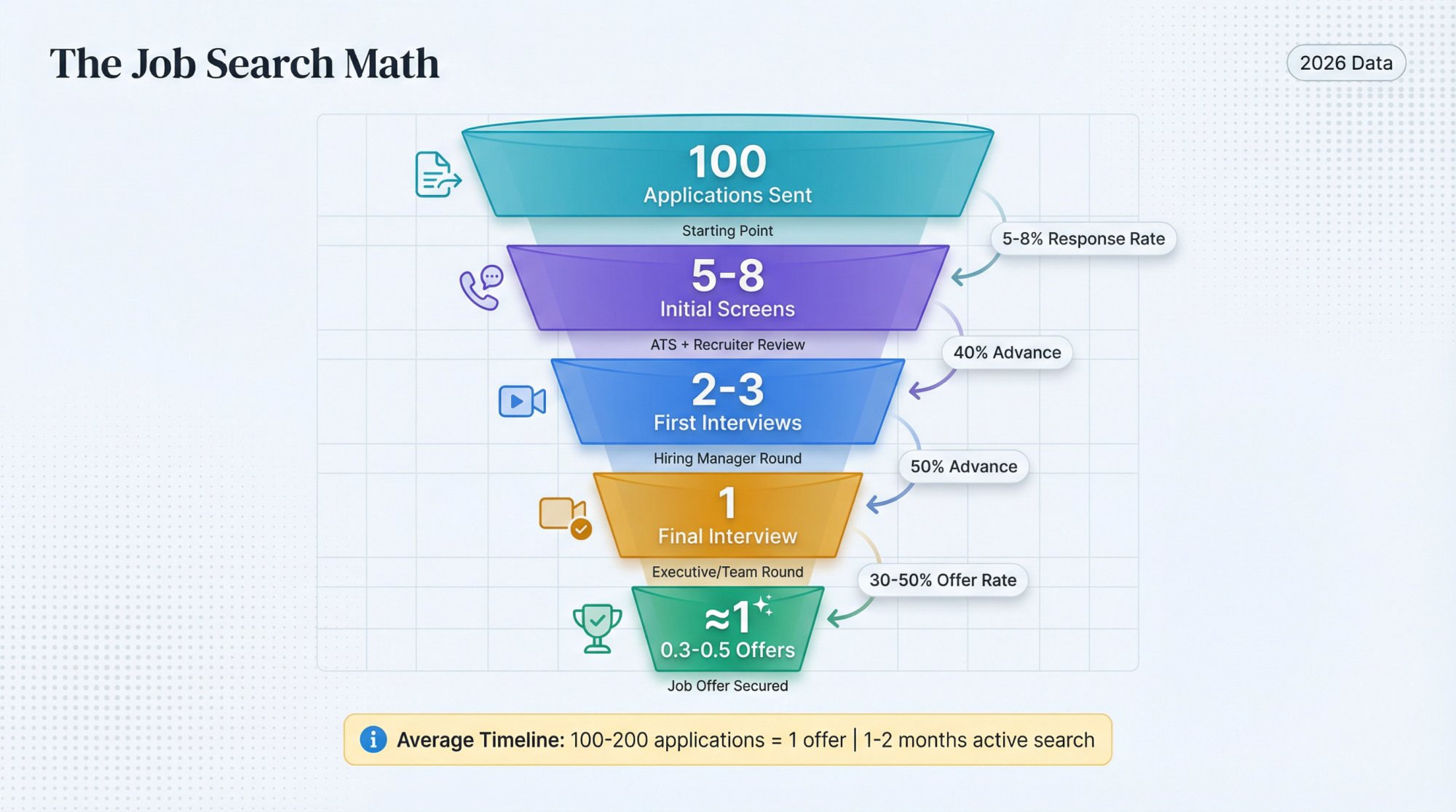
Why Quality vs Quantity Is the Wrong Question
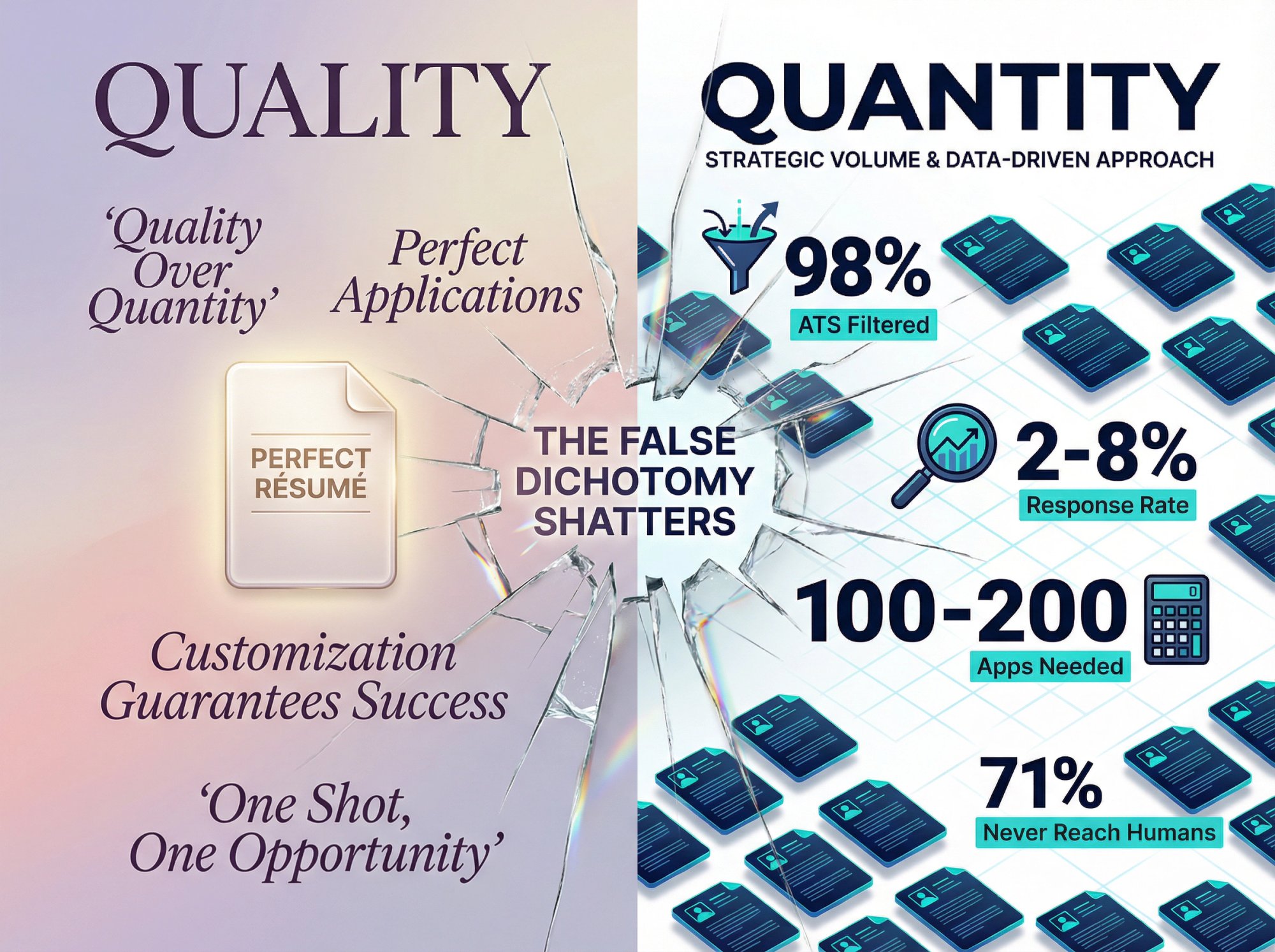
Career coaches love to say "quality over quantity." But this oversimplifies a complex problem.
The traditional advice assumes:
• Every application gets human review (false. 98% hit ATS filters first)
• Customization guarantees interviews (false. Even perfect applications face 2 to 5% response rates)
• You have unlimited time (false. Job searches have financial and emotional deadlines)
The reality in 2026:
Research shows average response rates hover around 2 to 8% depending on industry and experience level. Studies indicate that 71% of applications never reach human eyes due to ATS filtering. Data suggests the average job seeker needs 100 to 200 applications to land one offer.
This creates a math problem: If you apply to 3 "perfect" jobs per day, you'll send around 90 applications in a month. At a 5% response rate, that's 4 to 5 interviews. Barely enough to generate competing offers.
How Many Job Applications Does It Take to Get Hired?
Think of job applications like a sales funnel. Here's the brutal math for most job seekers:
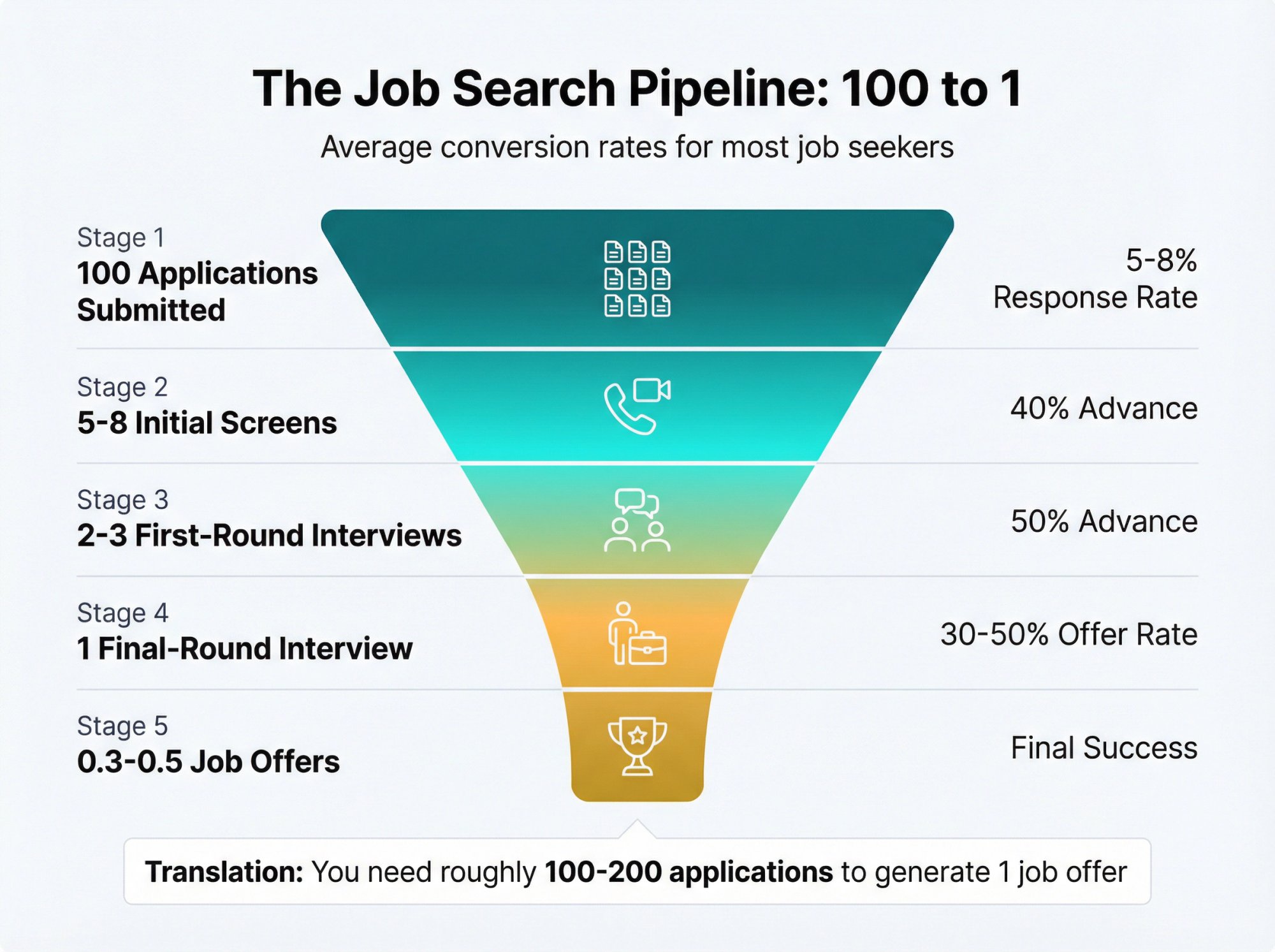
Translation: You need roughly 100 to 200 applications to generate 1 job offer.
Industry research consistently shows that active job seekers who land roles within 1 to 2 months submit between 150 to 300 total applications. The exact number varies by:
• Experience level: Entry-level roles often require 200+ applications. Senior roles might need 100 to 150
• Industry competitiveness: Tech roles average 150 to 200. Specialized fields might need 250+
• Economic conditions: Tight markets require 30 to 50% more volume
• Application quality: Well-targeted applications improve conversion by 2 to 3x
How Many Job Applications Per Day: The Two-Lane Strategy
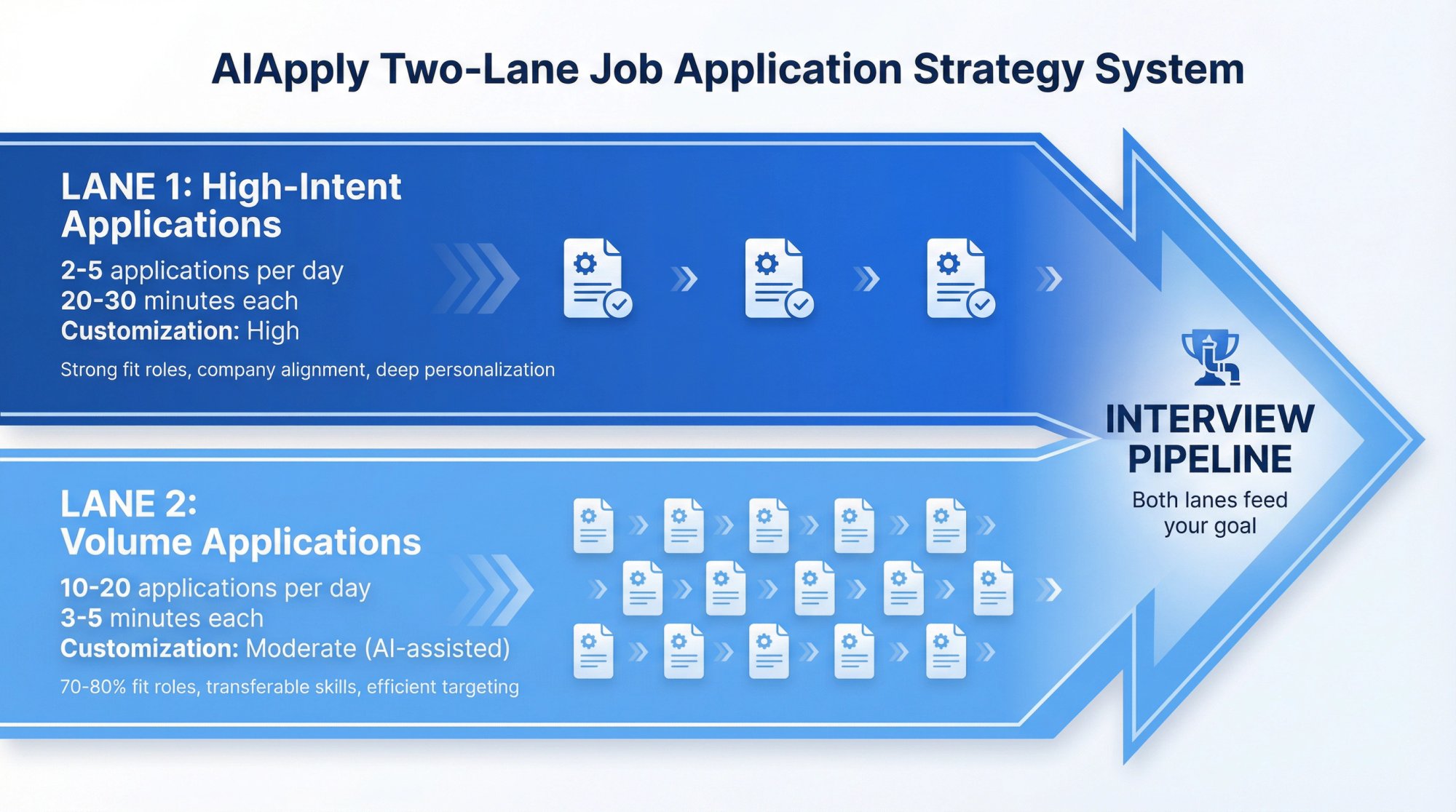
Instead of a fixed number, use this two-lane approach:
Lane 1: High-Intent Applications (2 to 5 per day)
These are roles where you're a strong fit and the company aligns with your goals.
Time investment: 20 to 30 minutes each
Customization level: High
Tools to use:
→ AI Resume Editor for role-specific optimization
→ AI Cover Letter Generator for personalized letters
→ AI Resume Scanner to check ATS compatibility
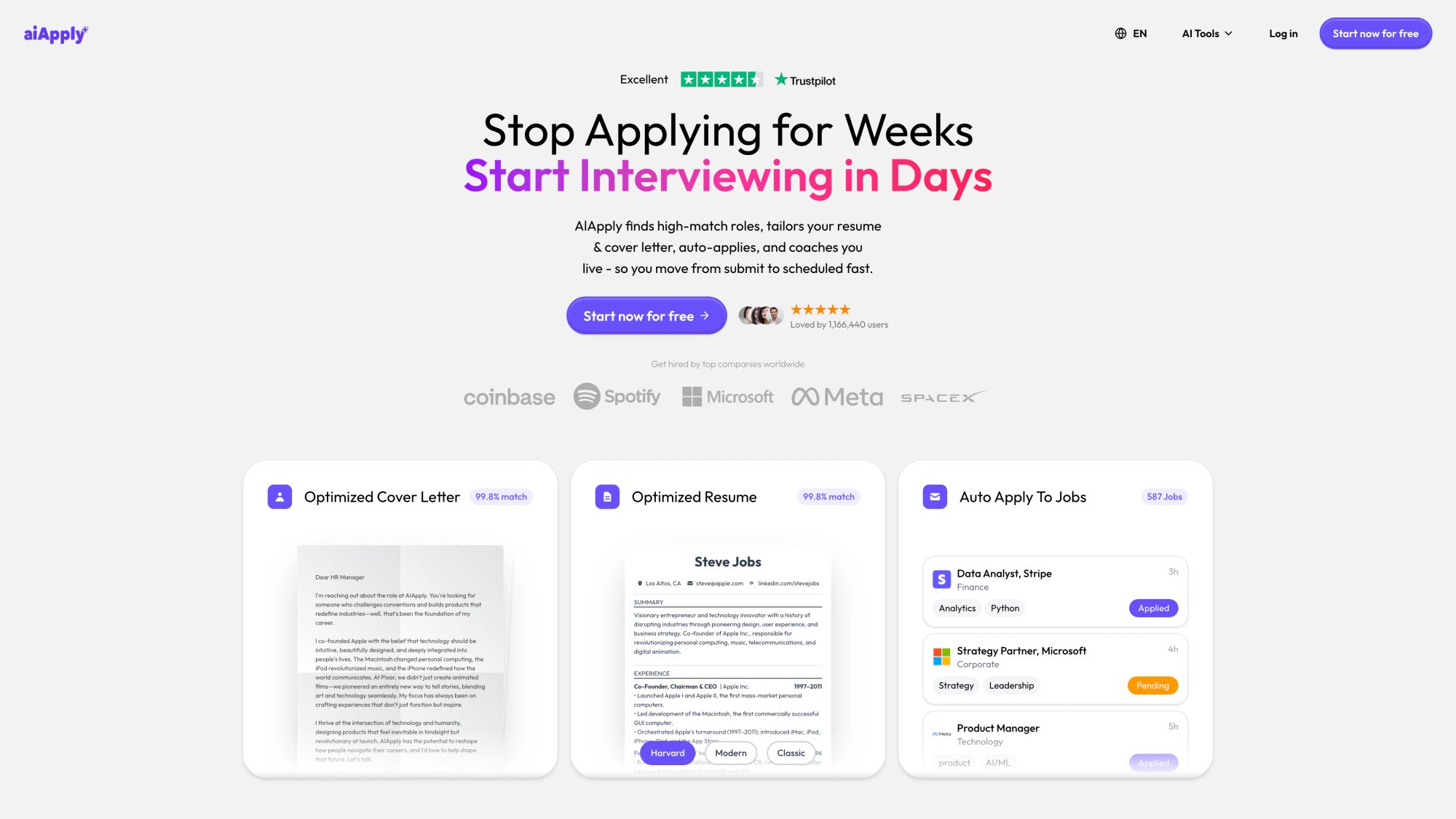
AIApply's AI-powered toolkit helps job seekers create optimized applications quickly while maintaining quality.
Examples of high-intent roles:
• Software Engineer positions at companies using your tech stack
• Data Scientist roles in your domain expertise
• Product Manager opportunities matching your background
• Marketing Manager positions in your industry
• Inside Sales Representative roles at ideal companies
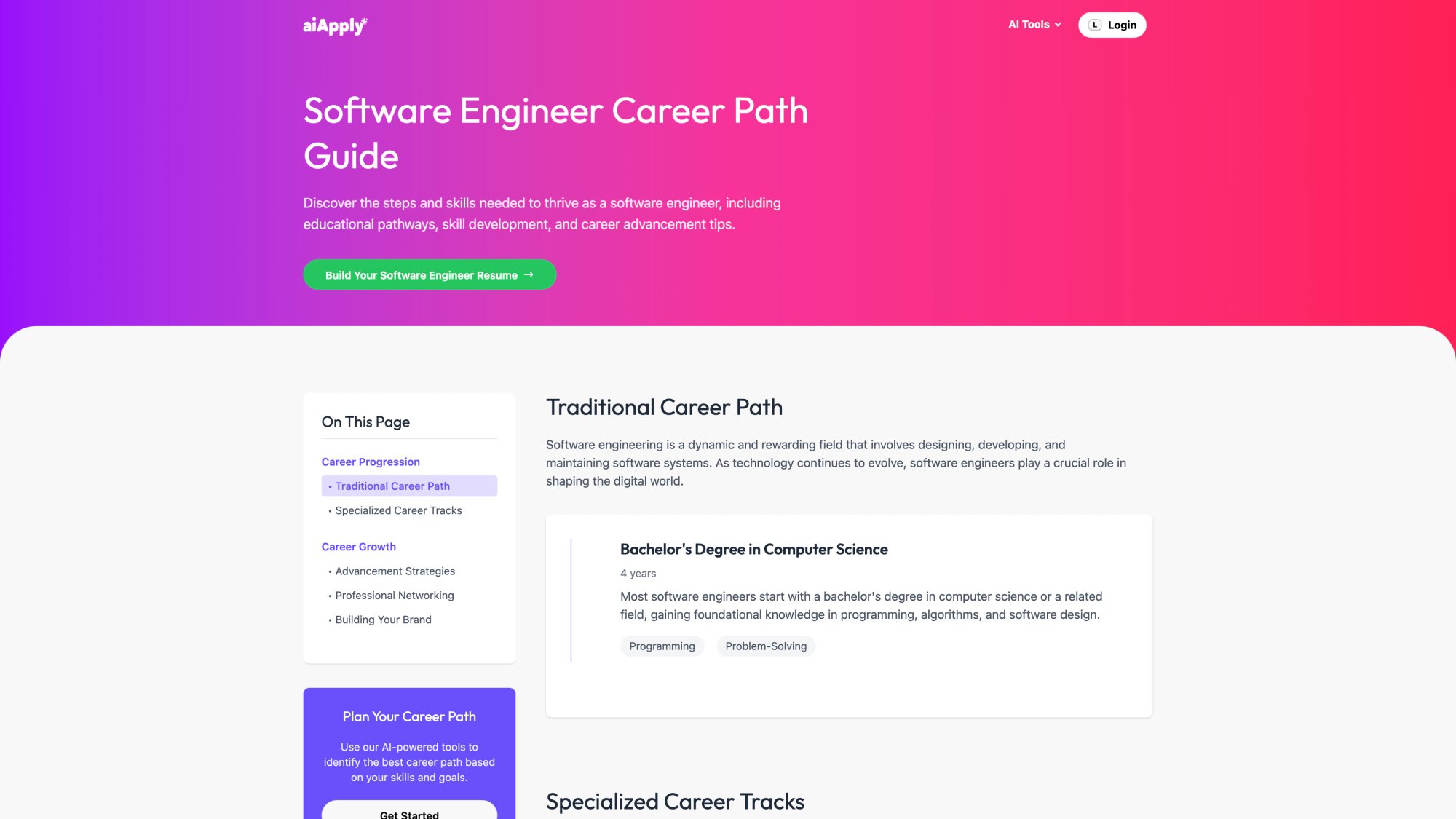
AIApply's career pages aggregate software engineer and other tech roles from multiple sources, showing salary insights and company details to help you target high-fit opportunities.
Resume examples for inspiration:
• Software Engineer Resume Examples
• Data Scientist Resume Examples
• Product Manager Resume Examples
• Marketing Manager Resume Examples
The AI Resume Editor optimizes your resume for specific roles in minutes, automatically highlighting relevant experience and integrating key terms from job descriptions.
Lane 2: Volume Applications (10 to 20 per day)
These are roles where you meet 70 to 80% of requirements but aren't perfect matches.
Time investment: 3 to 5 minutes each
Customization level: Moderate (AI-assisted)
Tools to use:
→ Auto Apply to handle form filling and basic customization
→ Pre-written base resume with key skills highlighted
→ Batch cover letter templates
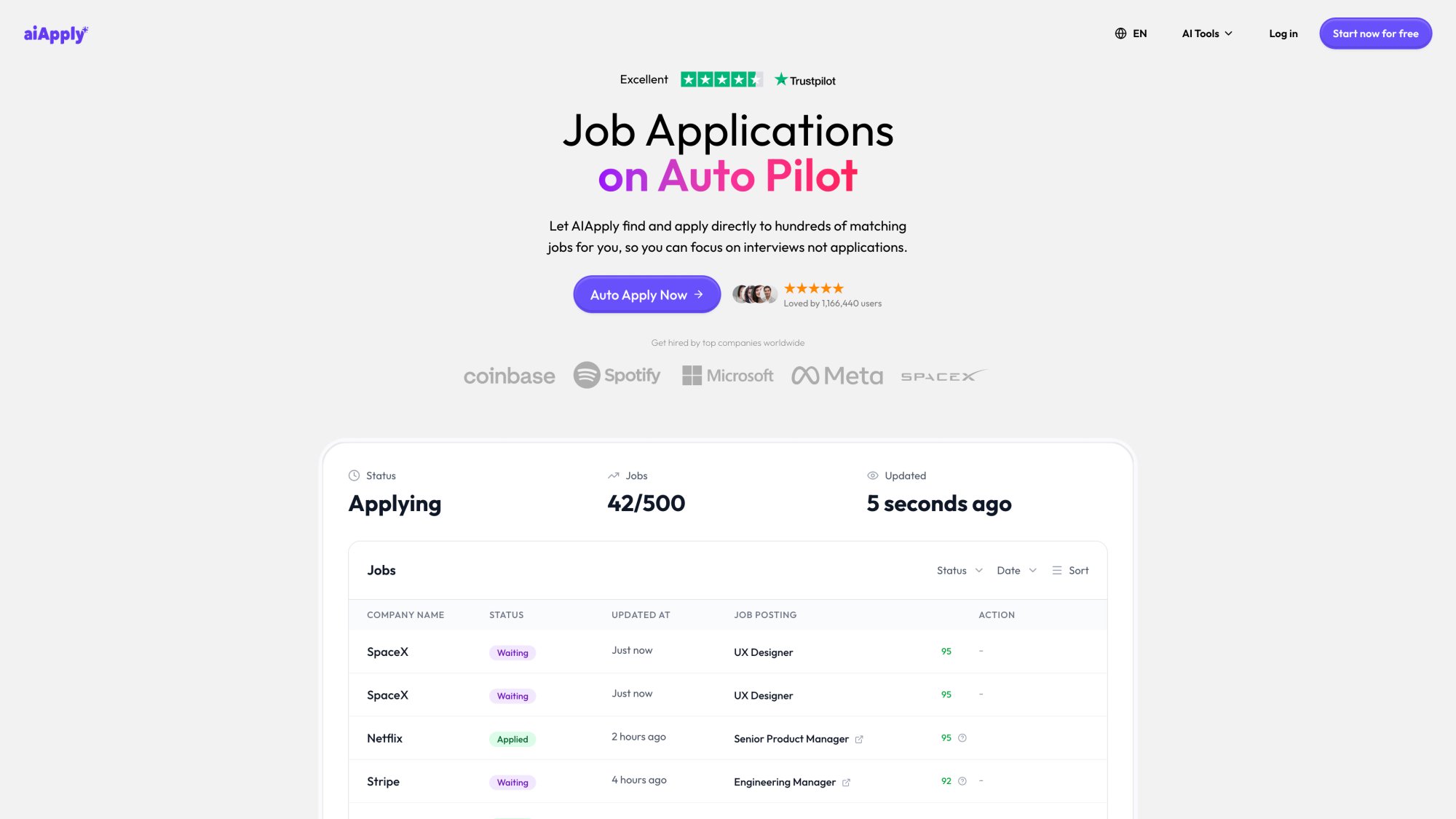
Auto Apply handles the repetitive parts of job applications automatically, letting you maintain high volume while you focus on customizing your best-fit applications.
Examples of volume roles:
• Adjacent Software Engineering specializations (backend when you're frontend-focused)
• Related Data Analysis roles when targeting Data Science
• Customer Success Manager positions with transferable skills
• Project Manager roles in adjacent industries
Why this lane matters:
Many job seekers discover their best offers come from "stretch" applications. Companies increasingly value transferable skills over perfect experience matches. The volume lane casts a wider net while maintaining baseline quality through AI optimization.
How Many Jobs Per Week Should I Apply For?
Based on the math above, here's your weekly blueprint:
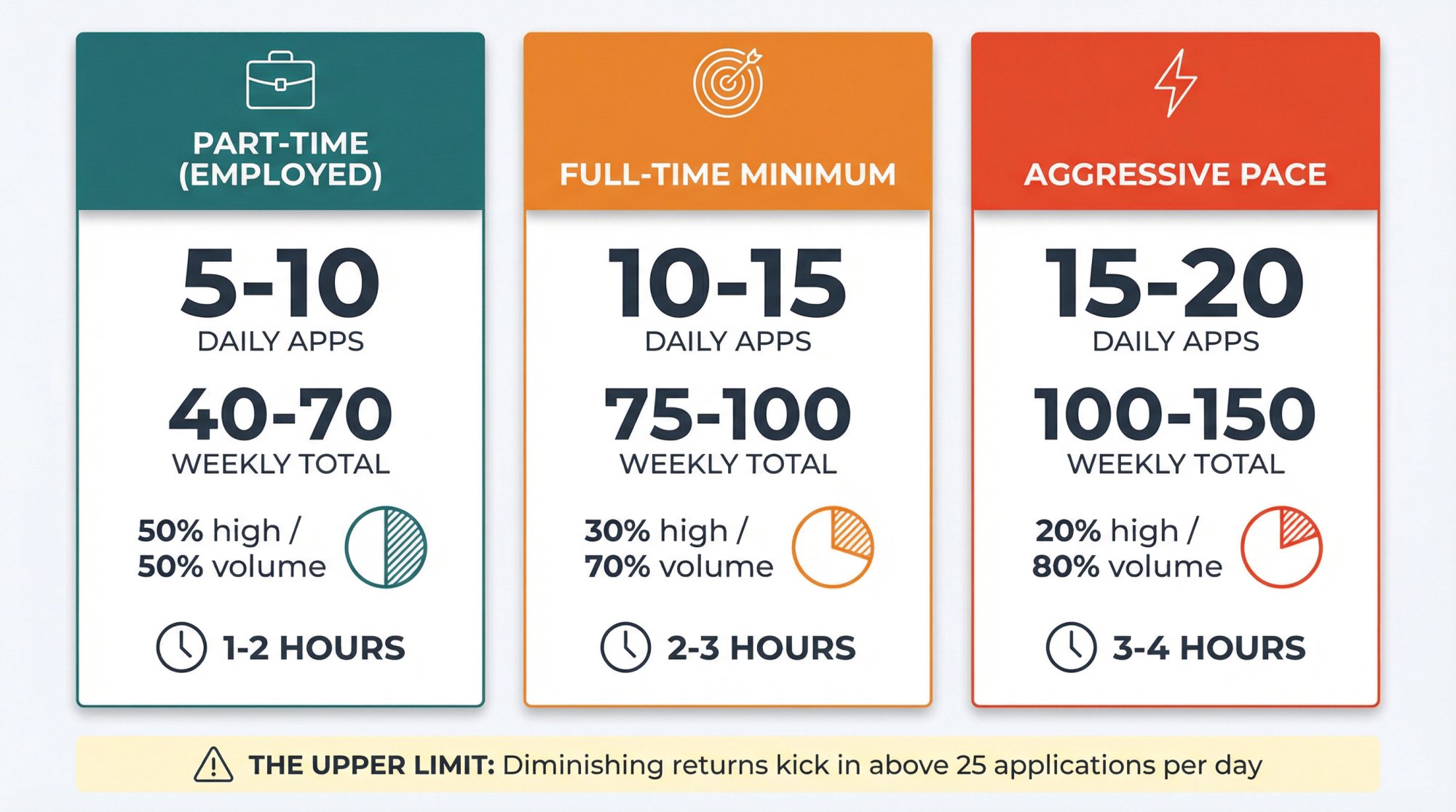
The upper limit:
Diminishing returns kick in above 25 applications per day. Quality drops, burnout increases, and you can't manage the interview pipeline if you actually succeed.
When to Apply to More Jobs (or Fewer)
Your daily application target should flex based on three factors:
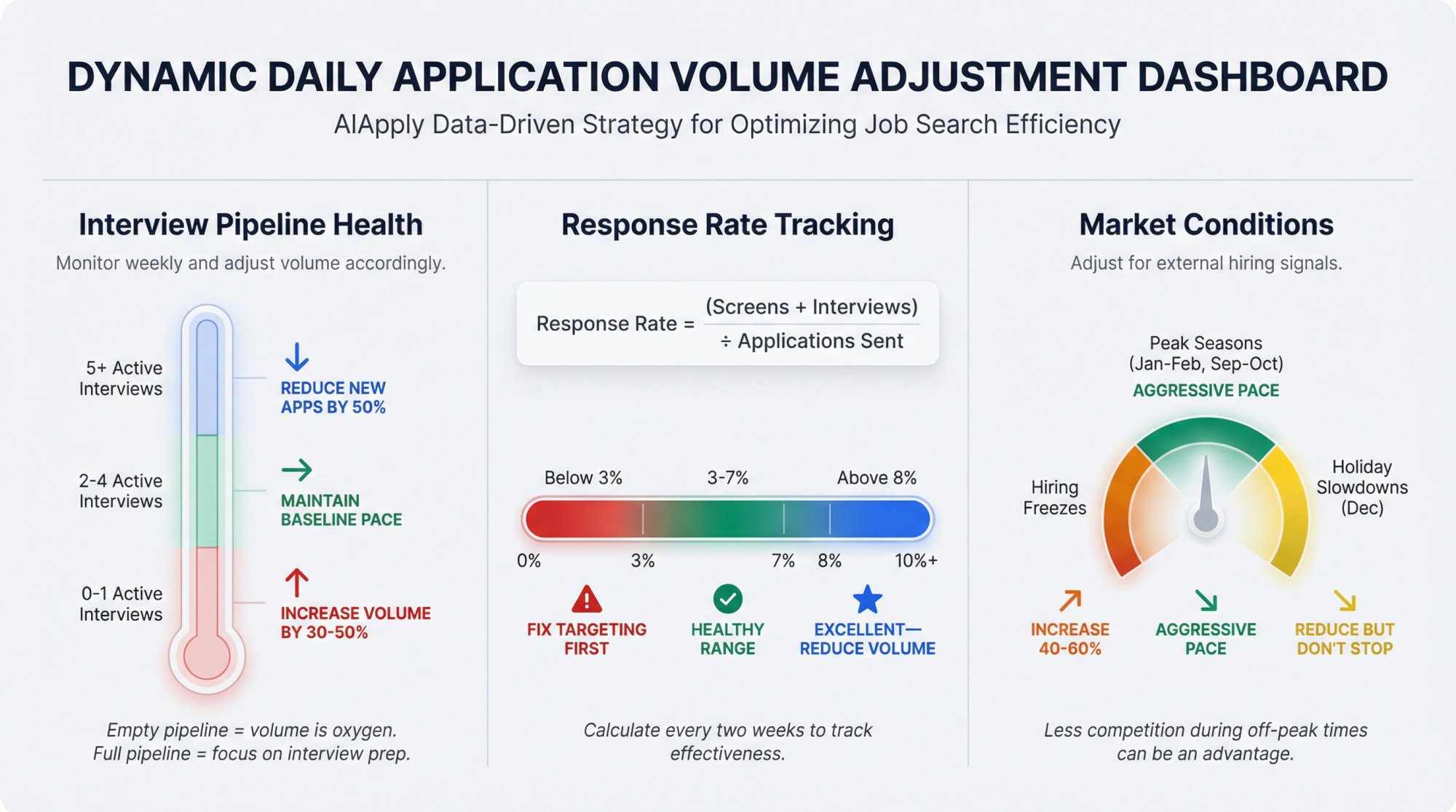
1. Interview Pipeline Health
Monitor your active interview stages weekly:
• 0 to 1 active interviews: Increase volume by 30 to 50% immediately
• 2 to 4 active interviews: Maintain baseline pace
• 5+ active interviews: Reduce new applications by 50% to focus on interview prep
Why: Landing one offer requires multiple simultaneous processes. If your pipeline is empty, volume is your oxygen. If it's full, quality interview performance matters more than new applications.
Preparation resources:
• AI Job Interview for real-time interview coaching
• Practice with relevant job descriptions in your field
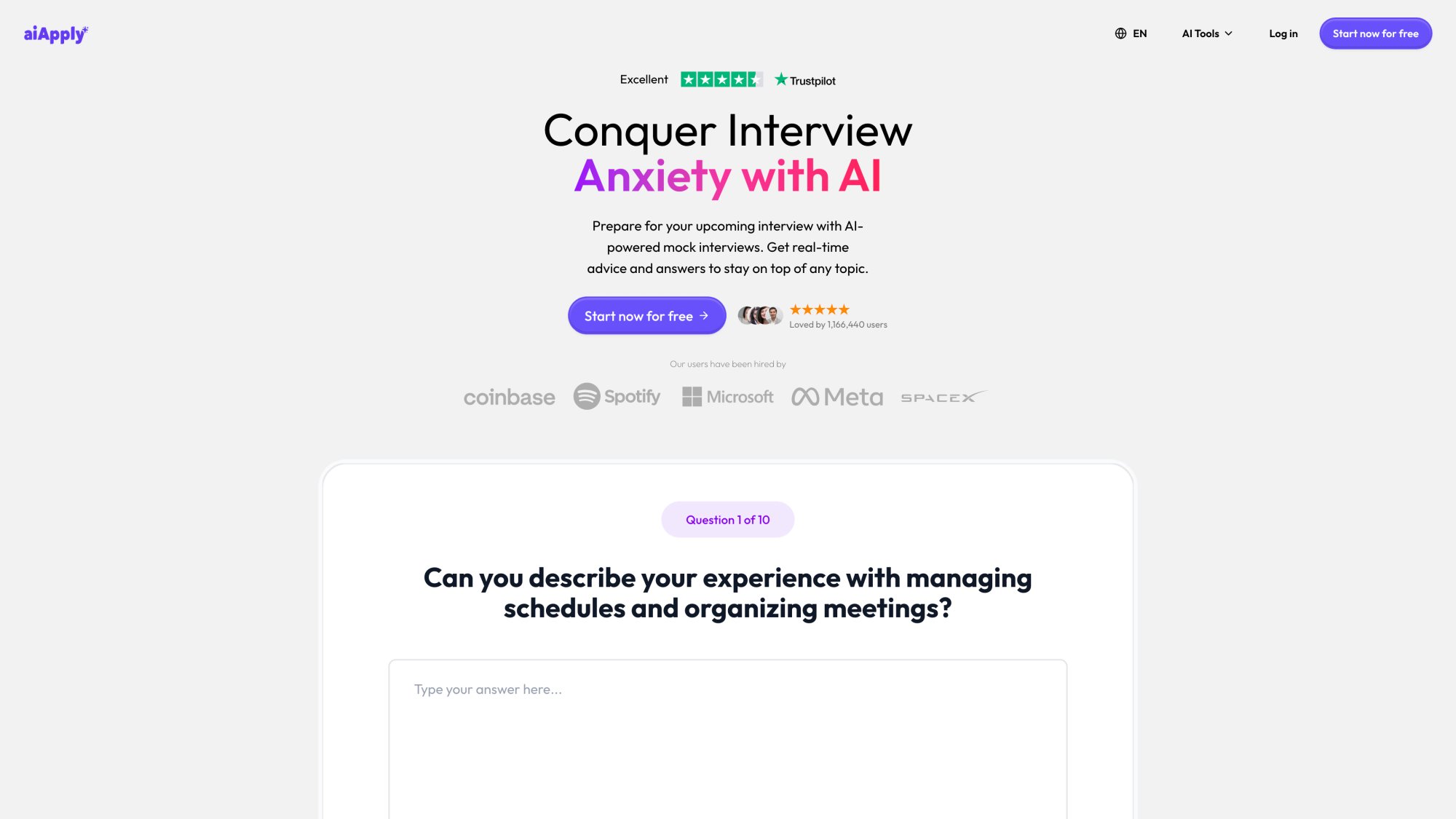
AI Job Interview provides real-time coaching and feedback during practice sessions, helping you refine answers and build confidence before the actual interview.
2. Response Rate Tracking
Calculate this every two weeks:
Response Rate = (Screens + Interviews) ÷ Applications Sent
• Below 3%: Your targeting or materials need work. Don't increase volume yet
• 3 to 7%: Healthy range. Maintain pace
• Above 8%: Excellent. You can reduce volume and increase customization
If your rate is low:
Before adding volume, get your foundation right:
→ Run applications through the AI Resume Scanner to identify ATS issues
→ Check if you're targeting roles requiring skills you haven't highlighted. See Skills resources for optimization ideas
→ Verify your resume examples match industry standards for your target roles
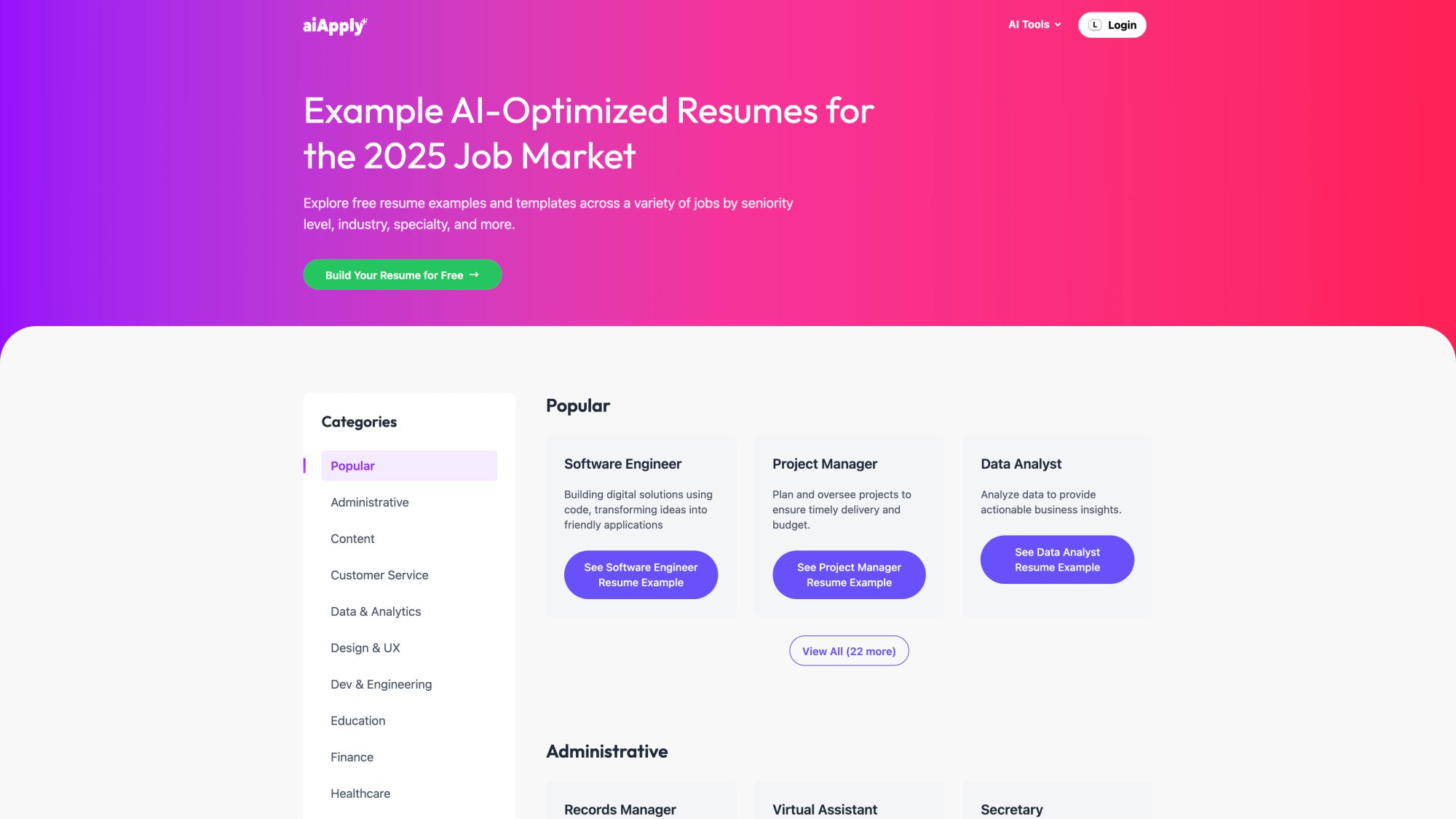
Browse role-specific resume examples to understand what hiring managers expect - each template is optimized for ATS systems and includes industry-standard formatting.
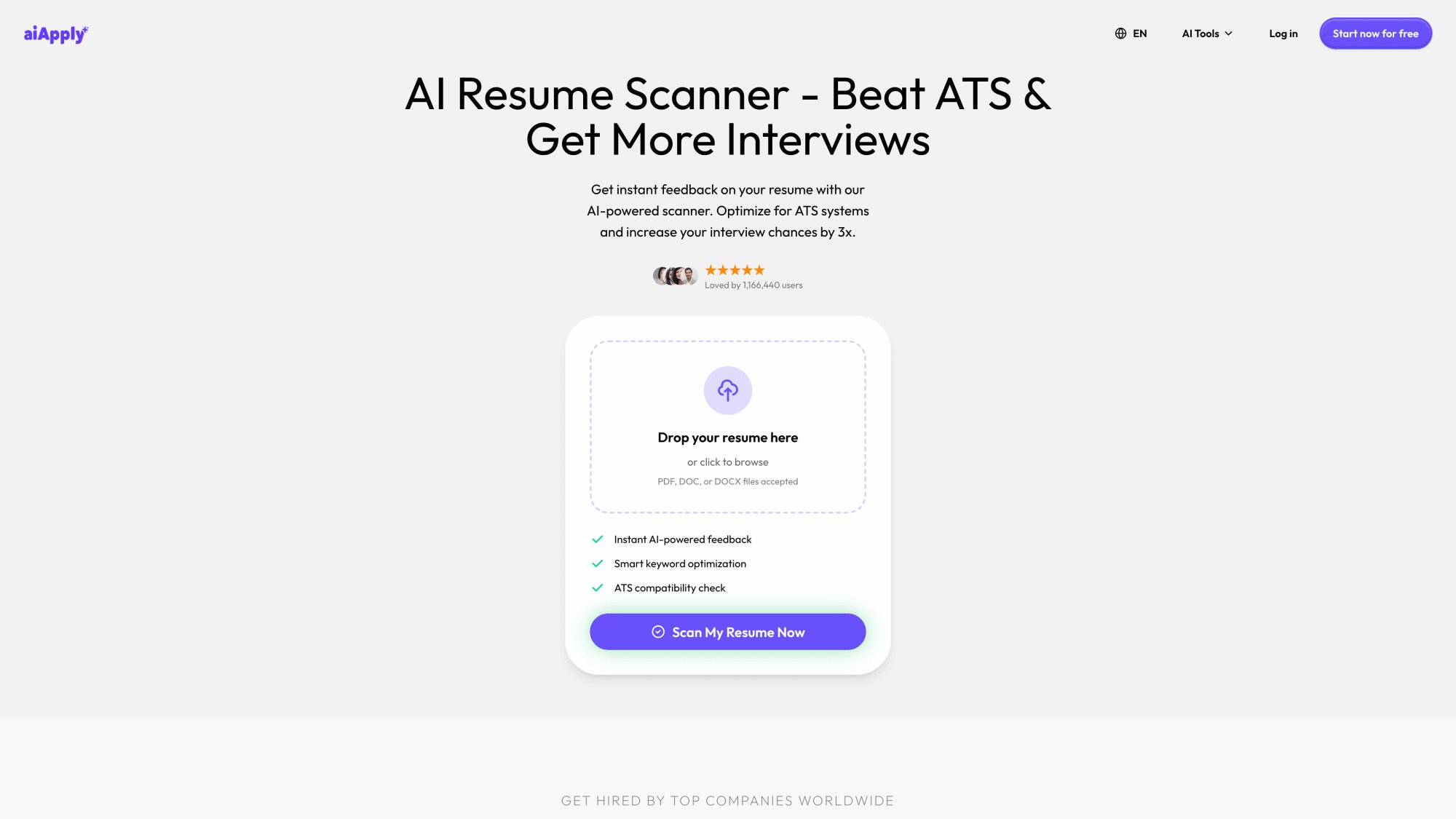
The AI Resume Scanner identifies ATS issues before you apply, showing exactly which keywords are missing and how to improve your compatibility score.
3. Market Conditions
Adjust for external factors:
• Hiring freezes in your industry: Increase volume by 40 to 60% and broaden target roles
• Peak hiring seasons (Jan to Feb, Sep to Oct): Maintain aggressive pace
• Holiday slowdowns: Reduce pace but don't stop. Applications submitted in December often have less competition
Consider salary expectations:
Research typical compensation using resources like salary guides for your target roles:
How AI Tools Help You Apply to More Jobs
Here's the uncomfortable truth: Manual application processes can't hit these volumes without AI assistance.
What AI Should Handle:
① Form filling and data entry (Auto Apply for repetitive fields)
② Base resume tailoring to match job keywords without changing core content
③ Cover letter drafting from templates you've approved
④ ATS optimization to ensure applications pass initial filters
What YOU Should Still Own:
① Role targeting (which jobs to apply to)
② Final review of AI-generated materials
③ Custom details for high-intent applications
④ Interview preparation and performance
The efficiency gain: Studies suggest that job seekers using AI tools complete 3 to 5x more applications in the same timeframe while maintaining quality.
A task that took 25 minutes manually now takes 5 to 7 minutes with AI assistance.
AI tool recommendations:
• Use AI Resume Editor to create role-optimized versions quickly
• Try AI Cover Letter Generator for customized letters in minutes
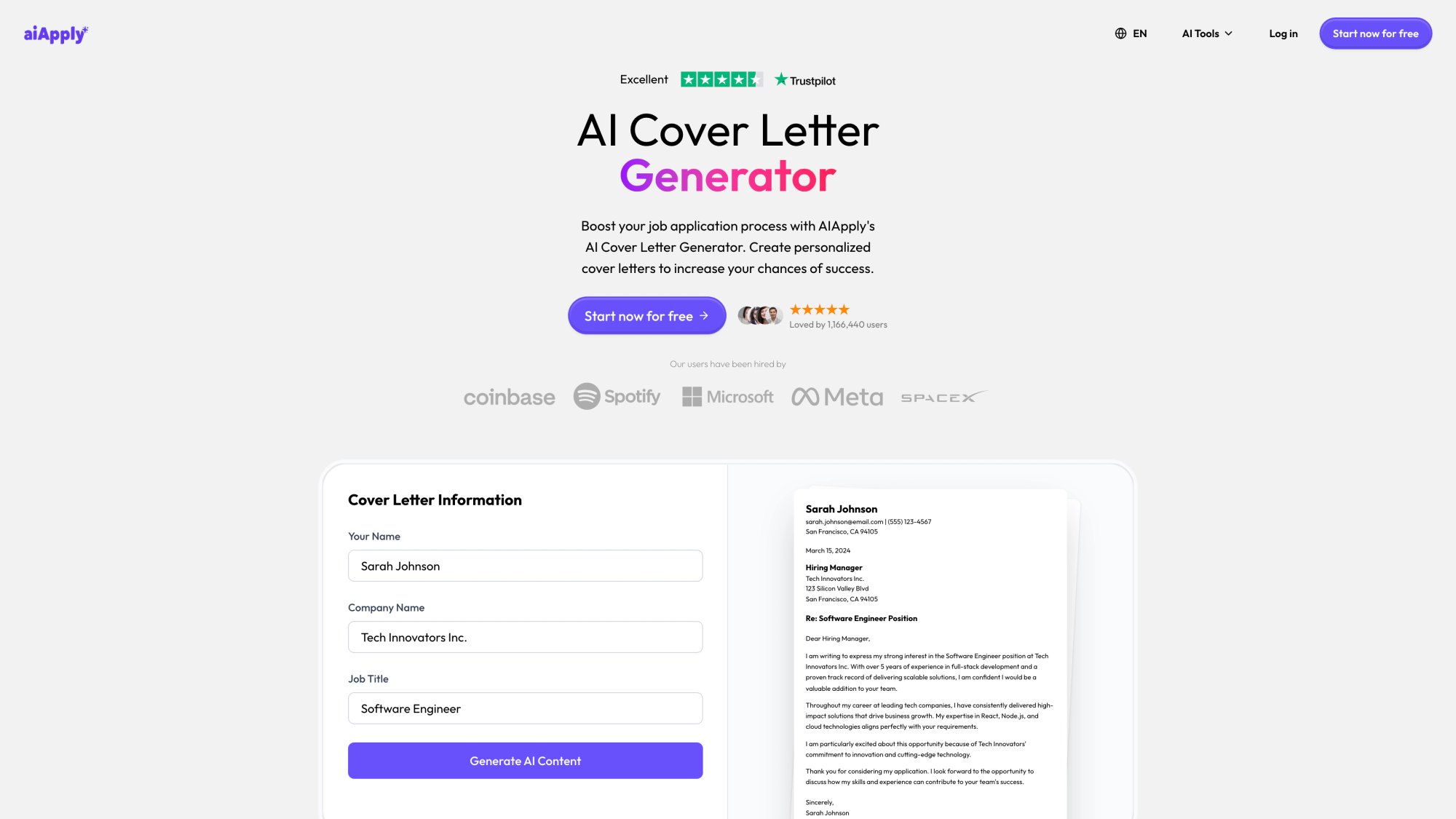
Generate compelling, customized cover letters in under a minute by simply pasting the job description - the AI matches your experience to their requirements automatically.
• Use Auto Apply for volume applications that meet baseline criteria
• Scan with AI Resume Scanner before submitting to ensure ATS compatibility
Ethical considerations:
AI should amplify your authentic qualifications, not fabricate them. Research shows recruiters increasingly use AI detection tools. Focus on AI that helps you present real skills more effectively, not invent false ones.
What Makes a Quality Job Application in 2026?
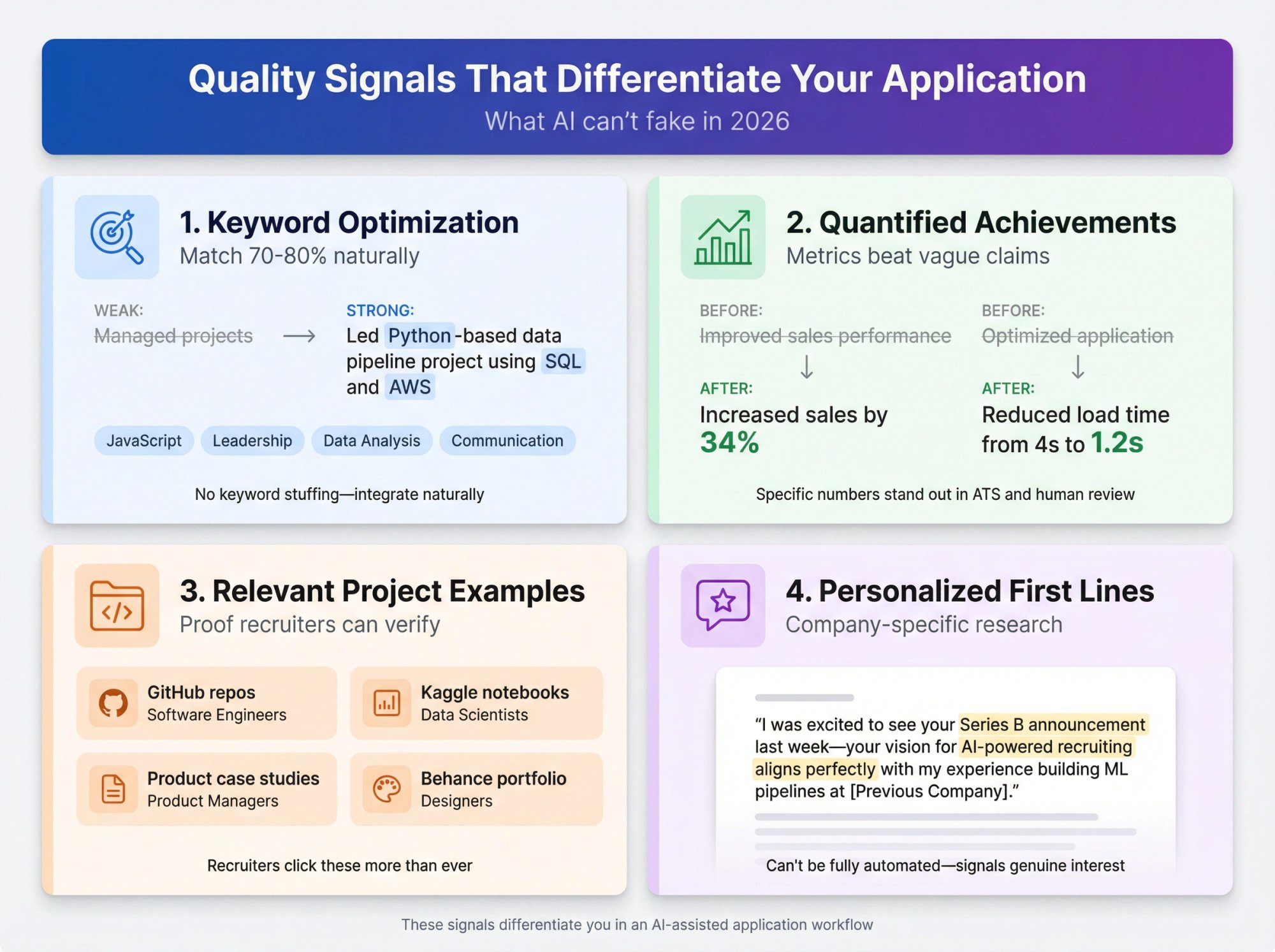
Since you're increasing volume with AI, double down on these quality signals that still differentiate you:
1. Keyword Optimization Without Keyword Stuffing
Match 70 to 80% of the job description's key terms, but integrate them naturally. The AI Resume Scanner can identify gaps.
Focus on highlighting:
• Technical skills like Python, JavaScript, or SQL for technical roles
• Soft skills like Communication, Leadership, or Problem Solving
• Industry skills like Data Analysis or Project Management
2. Quantified Achievements
Even in AI-assisted applications, specific metrics stand out:
• "Increased sales by 34%" beats "Improved sales performance"
• "Reduced load time from 4s to 1.2s" beats "Optimized application performance"
3. Relevant Project Examples
Link to portfolios, GitHub repos, or case studies when possible. Recruiters click these more than ever since they can't verify claims as easily with AI-generated applications flooding in.
Portfolio tips by role:
• Software Engineers: GitHub with live project demos
• Data Scientists: Kaggle notebooks or Tableau dashboards
• Product Managers: Product case studies or PRDs
• Designers: Behance or Dribbble portfolios
4. Personalized First Lines
In cover letters, reference something specific about the company (recent funding, product launch, values statement). This can't be fully automated and signals genuine interest.
Cover letter inspiration:
• Software Engineer Cover Letters
• Data Scientist Cover Letters
• Product Manager Cover Letters
• Marketing Manager Cover Letters
Sample Weekly Job Application Schedule
Here's what an effective week looks like for a full-time job seeker:
Total weekly output:
• 15 to 25 high-intent applications
• 60 to 90 volume applications
• 75 to 115 total applications
Career-specific strategies:
• Software Engineers: Include coding challenges and technical blogs
• Data Scientists: Emphasize ML projects and statistical methods
• Inside Sales Representatives: Highlight quota achievements and CRM skills
• Customer Success Managers: Show retention rates and client wins
Signs You're Applying to Jobs Wrong
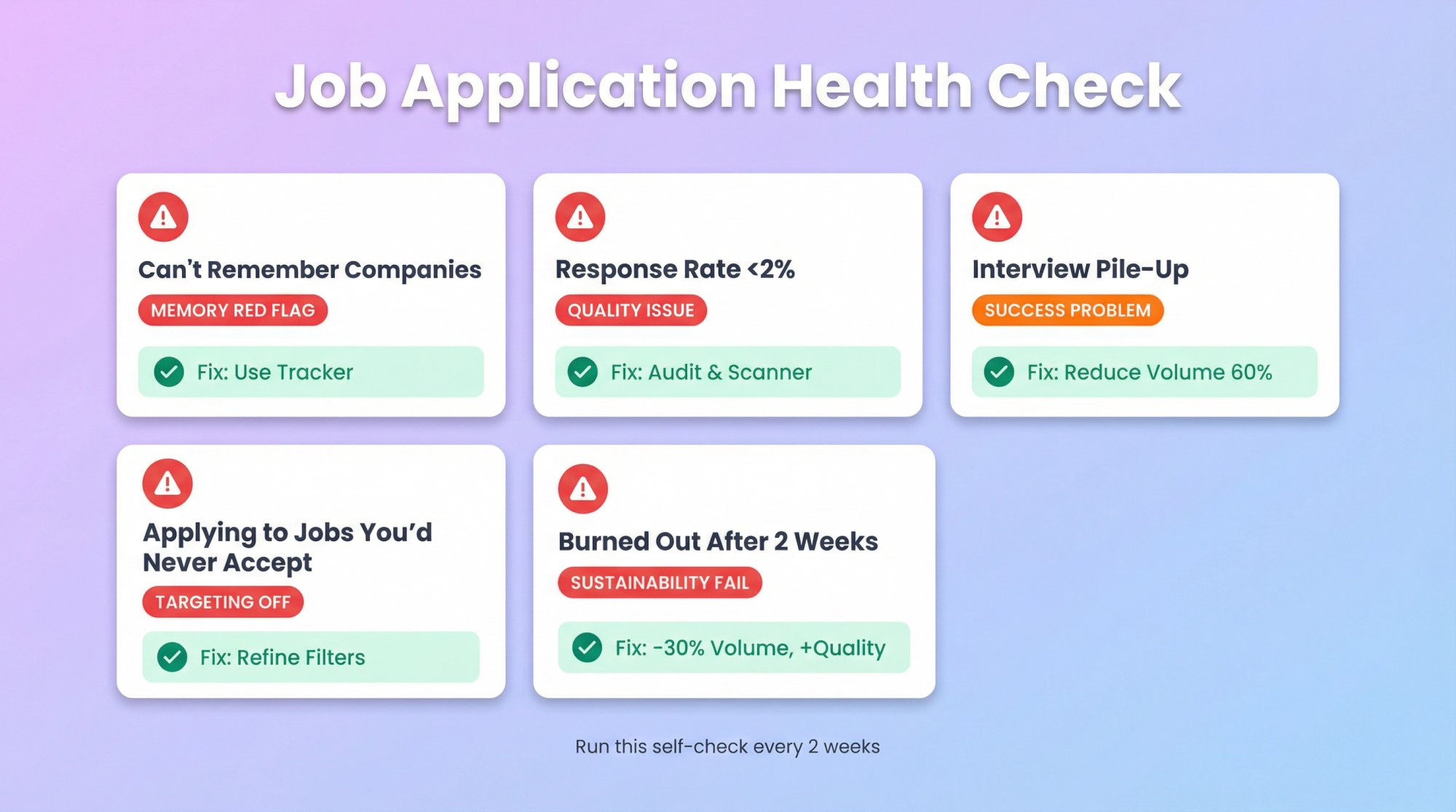
Watch for these warning signs that volume is hurting you:
⚠️ You can't remember which companies you applied to
Fix: Maintain a simple spreadsheet tracker or use an application organizer that logs everything automatically.
⚠️ Your response rate is below 2%
Fix: Pause volume. Audit 10 recent applications. Are you targeting roles you're genuinely qualified for? Run your resume through the AI Resume Scanner to identify systemic issues.
⚠️ You're applying to roles you'd never actually accept
Fix: Refine your filters. Desperation applications waste your time and hurt your mental health. Focus on roles matching your career goals and salary expectations.
⚠️ Interview requests pile up and you can't schedule them
Fix: Success problem! Reduce new applications by 60% and focus on converting your pipeline. Use AI Job Interview to prepare efficiently.
⚠️ You're burned out after two weeks
Fix: Reduce volume by 30% and increase quality. Sustainable job searching beats sprinting into exhaustion.
How Many Job Applications Per Day: Your Personal Target
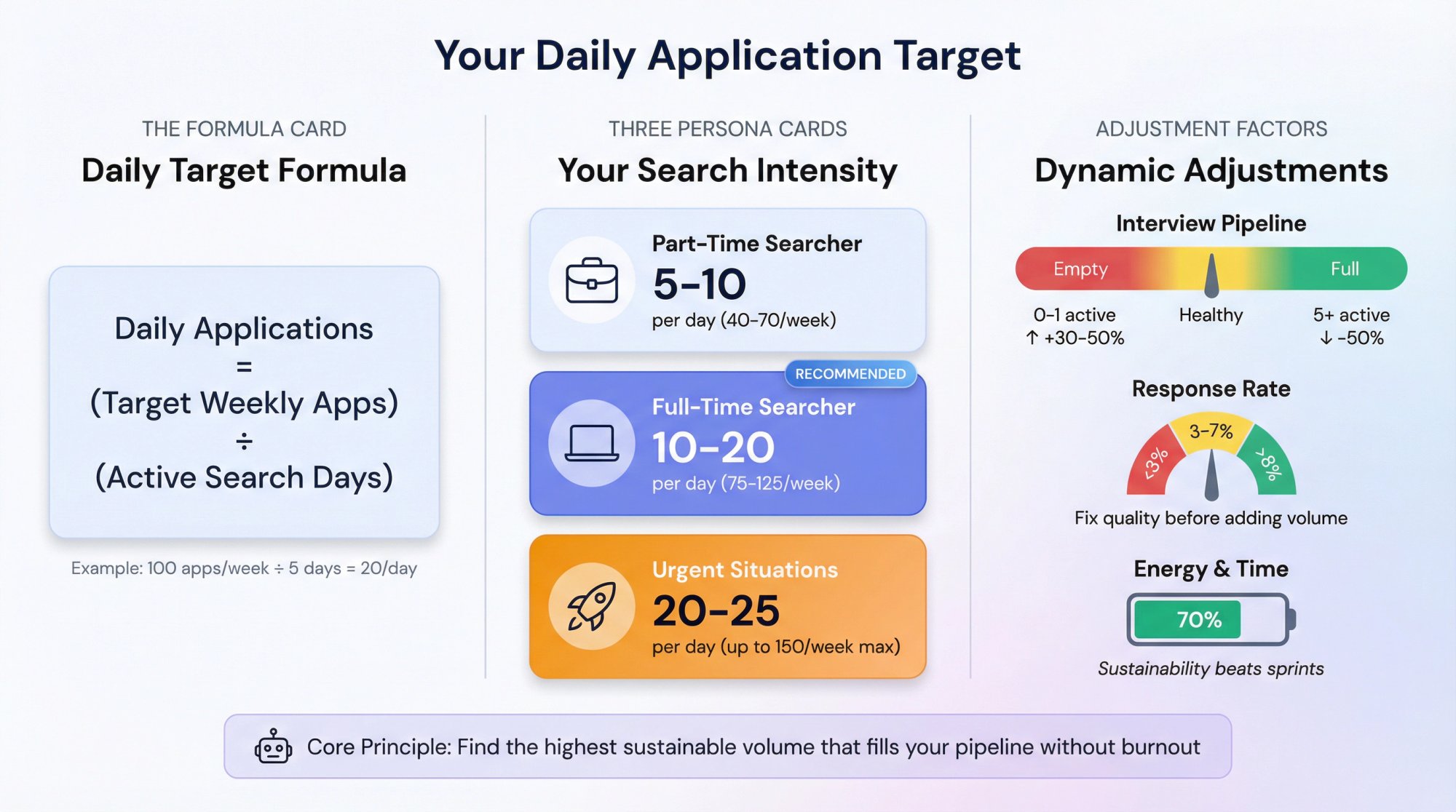
Here's the formula:
Daily Applications = (Target Weekly Applications) ÷ (Active Search Days)
For most people:
• Part-time searchers: 5 to 10 per day (40 to 70/week)
• Full-time searchers: 10 to 20 per day (75 to 125/week)
• Urgent/high-volume situations: 20 to 25 per day (up to 150/week max)
Adjust based on:
① Current interview pipeline (more interviews = less new volume)
② Response rate trends (sub-3% = fix quality first, don't add volume)
③ Available time and energy (sustainability beats short-term sprints)
The core principle:
Your daily application target should be the highest sustainable volume that maintains quality signals and fills your interview pipeline without overwhelming you. That number varies by person, market, and stage of search. But it's probably higher than you think and should be supported by AI tools to remain feasible.
Frequently Asked Questions
Is it bad to apply to multiple roles at the same company?
Not anymore. Research indicates that 68% of recruiters view this as showing strong company interest, not desperation. Apply to 2 to 3 roles max if you're genuinely qualified for each.
Target multiple roles at companies like:
• Tech companies hiring Software Engineers, Data Scientists, and Product Managers
• Consulting firms with various Analyst and Consultant tracks
Should I apply to jobs I'm slightly underqualified for?
Yes. Data suggests that requirements lists are wishlists, not hard gates. If you meet 70% of criteria, apply. Hiring managers report that 60% of their best hires didn't meet all listed requirements.
Stretch into adjacent roles:
• Full Stack developers applying to Full Stack roles
• Business Analysts targeting Product Manager positions
• Content Writers applying for Marketing Manager roles
Does applying too fast look suspicious?
Only if your materials are obviously generic. Using AI to speed up customization is expected in 2026. What matters is that the final application shows relevance to the specific role.
How do I track this volume without going crazy?
Use an application tracking system or simple spreadsheet with these columns:
• Company name
• Role title
• Date applied
• Application stage (applied/screen/interview/offer/rejected)
• Priority level (high-intent vs. volume)
• Follow-up date
What if I'm getting interviews but no offers?
This is a different problem. Your application volume is working, but your interview performance needs work. Use AI Job Interview for real-time coaching and practice with the job descriptions you're targeting.
Focus on:
• Behavioral interview prep for your target role
• Technical interview practice for skills assessments
• Salary negotiation research using salary guides
Next Steps: Start Tomorrow
Your action plan for getting this strategy going:
① Calculate your baseline: How many applications have you sent in the past two weeks? What's your response rate?
② Set your weekly target based on the guidelines above (75 to 125 for full-time searchers)
③ Split into daily chunks and lane categories (Lane 1: high-intent, Lane 2: volume)
④ Set up your tech stack:
• AI Resume Editor for role-optimized resumes
• AI Cover Letter Generator for quick customization
• Auto Apply for volume lane efficiency
• AI Resume Scanner for quality checks
⑤ Create your tracking system (spreadsheet or use automated tools)
⑥ Block time on your calendar for daily application batches
⑦ Review and adjust weekly based on response rates and interview pipeline
Browse opportunities:
• All job categories
Remember: The perfect daily application number is the one that keeps your interview pipeline full without burning you out. Start with these benchmarks, track your results, and adjust based on what the data tells you about your specific situation.
The job search is a numbers game, but it's a game you can win with the right strategy and tools. Now go apply.
Sitting at your laptop, scrolling through job boards, you've probably wondered: Am I applying to enough jobs? Too many? Should I spend 30 minutes perfecting one application or blast out 20 quick ones?
If you search "how many jobs should I apply to per day," you'll find vague advice ranging from "3 to 5 quality applications" to "apply to everything that moves." Neither extreme works in 2026's AI-filtered job market.
After analyzing application data, interview-to-offer conversion rates, and modern ATS behavior, here's what we know:
The right number isn't a fixed daily quota. It's a dynamic strategy based on your interview pipeline math and AI tools.
This guide breaks down exactly how many jobs you should apply to, when to adjust your volume, and how to maintain quality without burning out.
Why Quality vs Quantity Is the Wrong Question
Career coaches love to say "quality over quantity." But this oversimplifies a complex problem.
The traditional advice assumes:
• Every application gets human review (false. 98% hit ATS filters first)
• Customization guarantees interviews (false. Even perfect applications face 2 to 5% response rates)
• You have unlimited time (false. Job searches have financial and emotional deadlines)
The reality in 2026:
Research shows average response rates hover around 2 to 8% depending on industry and experience level. Studies indicate that 71% of applications never reach human eyes due to ATS filtering. Data suggests the average job seeker needs 100 to 200 applications to land one offer.
This creates a math problem: If you apply to 3 "perfect" jobs per day, you'll send around 90 applications in a month. At a 5% response rate, that's 4 to 5 interviews. Barely enough to generate competing offers.
How Many Job Applications Does It Take to Get Hired?
Think of job applications like a sales funnel. Here's the brutal math for most job seekers:
Translation: You need roughly 100 to 200 applications to generate 1 job offer.
Industry research consistently shows that active job seekers who land roles within 1 to 2 months submit between 150 to 300 total applications. The exact number varies by:
• Experience level: Entry-level roles often require 200+ applications. Senior roles might need 100 to 150
• Industry competitiveness: Tech roles average 150 to 200. Specialized fields might need 250+
• Economic conditions: Tight markets require 30 to 50% more volume
• Application quality: Well-targeted applications improve conversion by 2 to 3x
How Many Job Applications Per Day: The Two-Lane Strategy
Instead of a fixed number, use this two-lane approach:
Lane 1: High-Intent Applications (2 to 5 per day)
These are roles where you're a strong fit and the company aligns with your goals.
Time investment: 20 to 30 minutes each
Customization level: High
Tools to use:
→ AI Resume Editor for role-specific optimization
→ AI Cover Letter Generator for personalized letters
→ AI Resume Scanner to check ATS compatibility
AIApply's AI-powered toolkit helps job seekers create optimized applications quickly while maintaining quality.
Examples of high-intent roles:
• Software Engineer positions at companies using your tech stack
• Data Scientist roles in your domain expertise
• Product Manager opportunities matching your background
• Marketing Manager positions in your industry
• Inside Sales Representative roles at ideal companies
AIApply's career pages aggregate software engineer and other tech roles from multiple sources, showing salary insights and company details to help you target high-fit opportunities.
Resume examples for inspiration:
• Software Engineer Resume Examples
• Data Scientist Resume Examples
• Product Manager Resume Examples
• Marketing Manager Resume Examples
The AI Resume Editor optimizes your resume for specific roles in minutes, automatically highlighting relevant experience and integrating key terms from job descriptions.
Lane 2: Volume Applications (10 to 20 per day)
These are roles where you meet 70 to 80% of requirements but aren't perfect matches.
Time investment: 3 to 5 minutes each
Customization level: Moderate (AI-assisted)
Tools to use:
→ Auto Apply to handle form filling and basic customization
→ Pre-written base resume with key skills highlighted
→ Batch cover letter templates
Auto Apply handles the repetitive parts of job applications automatically, letting you maintain high volume while you focus on customizing your best-fit applications.
Examples of volume roles:
• Adjacent Software Engineering specializations (backend when you're frontend-focused)
• Related Data Analysis roles when targeting Data Science
• Customer Success Manager positions with transferable skills
• Project Manager roles in adjacent industries
Why this lane matters:
Many job seekers discover their best offers come from "stretch" applications. Companies increasingly value transferable skills over perfect experience matches. The volume lane casts a wider net while maintaining baseline quality through AI optimization.
How Many Jobs Per Week Should I Apply For?
Based on the math above, here's your weekly blueprint:
The upper limit:
Diminishing returns kick in above 25 applications per day. Quality drops, burnout increases, and you can't manage the interview pipeline if you actually succeed.
When to Apply to More Jobs (or Fewer)
Your daily application target should flex based on three factors:
1. Interview Pipeline Health
Monitor your active interview stages weekly:
• 0 to 1 active interviews: Increase volume by 30 to 50% immediately
• 2 to 4 active interviews: Maintain baseline pace
• 5+ active interviews: Reduce new applications by 50% to focus on interview prep
Why: Landing one offer requires multiple simultaneous processes. If your pipeline is empty, volume is your oxygen. If it's full, quality interview performance matters more than new applications.
Preparation resources:
• AI Job Interview for real-time interview coaching
• Practice with relevant job descriptions in your field
AI Job Interview provides real-time coaching and feedback during practice sessions, helping you refine answers and build confidence before the actual interview.
2. Response Rate Tracking
Calculate this every two weeks:
Response Rate = (Screens + Interviews) ÷ Applications Sent
• Below 3%: Your targeting or materials need work. Don't increase volume yet
• 3 to 7%: Healthy range. Maintain pace
• Above 8%: Excellent. You can reduce volume and increase customization
If your rate is low:
Before adding volume, get your foundation right:
→ Run applications through the AI Resume Scanner to identify ATS issues
→ Check if you're targeting roles requiring skills you haven't highlighted. See Skills resources for optimization ideas
→ Verify your resume examples match industry standards for your target roles
Browse role-specific resume examples to understand what hiring managers expect - each template is optimized for ATS systems and includes industry-standard formatting.
The AI Resume Scanner identifies ATS issues before you apply, showing exactly which keywords are missing and how to improve your compatibility score.
3. Market Conditions
Adjust for external factors:
• Hiring freezes in your industry: Increase volume by 40 to 60% and broaden target roles
• Peak hiring seasons (Jan to Feb, Sep to Oct): Maintain aggressive pace
• Holiday slowdowns: Reduce pace but don't stop. Applications submitted in December often have less competition
Consider salary expectations:
Research typical compensation using resources like salary guides for your target roles:
How AI Tools Help You Apply to More Jobs
Here's the uncomfortable truth: Manual application processes can't hit these volumes without AI assistance.
What AI Should Handle:
① Form filling and data entry (Auto Apply for repetitive fields)
② Base resume tailoring to match job keywords without changing core content
③ Cover letter drafting from templates you've approved
④ ATS optimization to ensure applications pass initial filters
What YOU Should Still Own:
① Role targeting (which jobs to apply to)
② Final review of AI-generated materials
③ Custom details for high-intent applications
④ Interview preparation and performance
The efficiency gain: Studies suggest that job seekers using AI tools complete 3 to 5x more applications in the same timeframe while maintaining quality.
A task that took 25 minutes manually now takes 5 to 7 minutes with AI assistance.
AI tool recommendations:
• Use AI Resume Editor to create role-optimized versions quickly
• Try AI Cover Letter Generator for customized letters in minutes
Generate compelling, customized cover letters in under a minute by simply pasting the job description - the AI matches your experience to their requirements automatically.
• Use Auto Apply for volume applications that meet baseline criteria
• Scan with AI Resume Scanner before submitting to ensure ATS compatibility
Ethical considerations:
AI should amplify your authentic qualifications, not fabricate them. Research shows recruiters increasingly use AI detection tools. Focus on AI that helps you present real skills more effectively, not invent false ones.
What Makes a Quality Job Application in 2026?
Since you're increasing volume with AI, double down on these quality signals that still differentiate you:
1. Keyword Optimization Without Keyword Stuffing
Match 70 to 80% of the job description's key terms, but integrate them naturally. The AI Resume Scanner can identify gaps.
Focus on highlighting:
• Technical skills like Python, JavaScript, or SQL for technical roles
• Soft skills like Communication, Leadership, or Problem Solving
• Industry skills like Data Analysis or Project Management
2. Quantified Achievements
Even in AI-assisted applications, specific metrics stand out:
• "Increased sales by 34%" beats "Improved sales performance"
• "Reduced load time from 4s to 1.2s" beats "Optimized application performance"
3. Relevant Project Examples
Link to portfolios, GitHub repos, or case studies when possible. Recruiters click these more than ever since they can't verify claims as easily with AI-generated applications flooding in.
Portfolio tips by role:
• Software Engineers: GitHub with live project demos
• Data Scientists: Kaggle notebooks or Tableau dashboards
• Product Managers: Product case studies or PRDs
• Designers: Behance or Dribbble portfolios
4. Personalized First Lines
In cover letters, reference something specific about the company (recent funding, product launch, values statement). This can't be fully automated and signals genuine interest.
Cover letter inspiration:
• Software Engineer Cover Letters
• Data Scientist Cover Letters
• Product Manager Cover Letters
• Marketing Manager Cover Letters
Sample Weekly Job Application Schedule
Here's what an effective week looks like for a full-time job seeker:
Total weekly output:
• 15 to 25 high-intent applications
• 60 to 90 volume applications
• 75 to 115 total applications
Career-specific strategies:
• Software Engineers: Include coding challenges and technical blogs
• Data Scientists: Emphasize ML projects and statistical methods
• Inside Sales Representatives: Highlight quota achievements and CRM skills
• Customer Success Managers: Show retention rates and client wins
Signs You're Applying to Jobs Wrong
Watch for these warning signs that volume is hurting you:
⚠️ You can't remember which companies you applied to
Fix: Maintain a simple spreadsheet tracker or use an application organizer that logs everything automatically.
⚠️ Your response rate is below 2%
Fix: Pause volume. Audit 10 recent applications. Are you targeting roles you're genuinely qualified for? Run your resume through the AI Resume Scanner to identify systemic issues.
⚠️ You're applying to roles you'd never actually accept
Fix: Refine your filters. Desperation applications waste your time and hurt your mental health. Focus on roles matching your career goals and salary expectations.
⚠️ Interview requests pile up and you can't schedule them
Fix: Success problem! Reduce new applications by 60% and focus on converting your pipeline. Use AI Job Interview to prepare efficiently.
⚠️ You're burned out after two weeks
Fix: Reduce volume by 30% and increase quality. Sustainable job searching beats sprinting into exhaustion.
How Many Job Applications Per Day: Your Personal Target
Here's the formula:
Daily Applications = (Target Weekly Applications) ÷ (Active Search Days)
For most people:
• Part-time searchers: 5 to 10 per day (40 to 70/week)
• Full-time searchers: 10 to 20 per day (75 to 125/week)
• Urgent/high-volume situations: 20 to 25 per day (up to 150/week max)
Adjust based on:
① Current interview pipeline (more interviews = less new volume)
② Response rate trends (sub-3% = fix quality first, don't add volume)
③ Available time and energy (sustainability beats short-term sprints)
The core principle:
Your daily application target should be the highest sustainable volume that maintains quality signals and fills your interview pipeline without overwhelming you. That number varies by person, market, and stage of search. But it's probably higher than you think and should be supported by AI tools to remain feasible.
Frequently Asked Questions
Is it bad to apply to multiple roles at the same company?
Not anymore. Research indicates that 68% of recruiters view this as showing strong company interest, not desperation. Apply to 2 to 3 roles max if you're genuinely qualified for each.
Target multiple roles at companies like:
• Tech companies hiring Software Engineers, Data Scientists, and Product Managers
• Consulting firms with various Analyst and Consultant tracks
Should I apply to jobs I'm slightly underqualified for?
Yes. Data suggests that requirements lists are wishlists, not hard gates. If you meet 70% of criteria, apply. Hiring managers report that 60% of their best hires didn't meet all listed requirements.
Stretch into adjacent roles:
• Full Stack developers applying to Full Stack roles
• Business Analysts targeting Product Manager positions
• Content Writers applying for Marketing Manager roles
Does applying too fast look suspicious?
Only if your materials are obviously generic. Using AI to speed up customization is expected in 2026. What matters is that the final application shows relevance to the specific role.
How do I track this volume without going crazy?
Use an application tracking system or simple spreadsheet with these columns:
• Company name
• Role title
• Date applied
• Application stage (applied/screen/interview/offer/rejected)
• Priority level (high-intent vs. volume)
• Follow-up date
What if I'm getting interviews but no offers?
This is a different problem. Your application volume is working, but your interview performance needs work. Use AI Job Interview for real-time coaching and practice with the job descriptions you're targeting.
Focus on:
• Behavioral interview prep for your target role
• Technical interview practice for skills assessments
• Salary negotiation research using salary guides
Next Steps: Start Tomorrow
Your action plan for getting this strategy going:
① Calculate your baseline: How many applications have you sent in the past two weeks? What's your response rate?
② Set your weekly target based on the guidelines above (75 to 125 for full-time searchers)
③ Split into daily chunks and lane categories (Lane 1: high-intent, Lane 2: volume)
④ Set up your tech stack:
• AI Resume Editor for role-optimized resumes
• AI Cover Letter Generator for quick customization
• Auto Apply for volume lane efficiency
• AI Resume Scanner for quality checks
⑤ Create your tracking system (spreadsheet or use automated tools)
⑥ Block time on your calendar for daily application batches
⑦ Review and adjust weekly based on response rates and interview pipeline
Browse opportunities:
• All job categories
Remember: The perfect daily application number is the one that keeps your interview pipeline full without burning you out. Start with these benchmarks, track your results, and adjust based on what the data tells you about your specific situation.
The job search is a numbers game, but it's a game you can win with the right strategy and tools. Now go apply.
.webp)
%20(1).webp)
.webp)
Don't miss out on
your next opportunity.
Create and send applications in seconds, not hours.


